



Vogue Patterns has long been associated with refined style and high-fashion influence in the home sewing world. For decades, the brand has offered dressmakers a chance to recreate runway-inspired garments without needing industrial equipment or professional tailoring experience. Whether someone is just beginning to sew or already skilled in garment construction, these patterns provide structured instructions that make complex designs achievable.
A Brief Background
The company built its reputation by collaborating with well-known designers and translating couture aesthetics into wearable clothing. Instead of simple templates, the designs often mirror real fashion collections seen in magazines like Vogue magazine. This connection gives hobbyists the ability to craft garments that feel contemporary rather than purely homemade.
Over time, the catalog expanded to include dresses, coats, blouses, formalwear, and accessories. Each release typically reflects seasonal fashion movements, allowing sewing enthusiasts to keep their wardrobe updated using their own fabrics and personal measurements.
What Makes These Patterns Different
Many sewing templates focus on simplicity, but vogue patterns are known for structure and accuracy. They frequently include:
- Detailed cutting layouts
- Multiple size grading options
- Professional finishing techniques
- Guidance for linings and interfacing
- Tailored shaping instructions
Because of this depth, the results often resemble store-bought garments rather than basic DIY clothing.
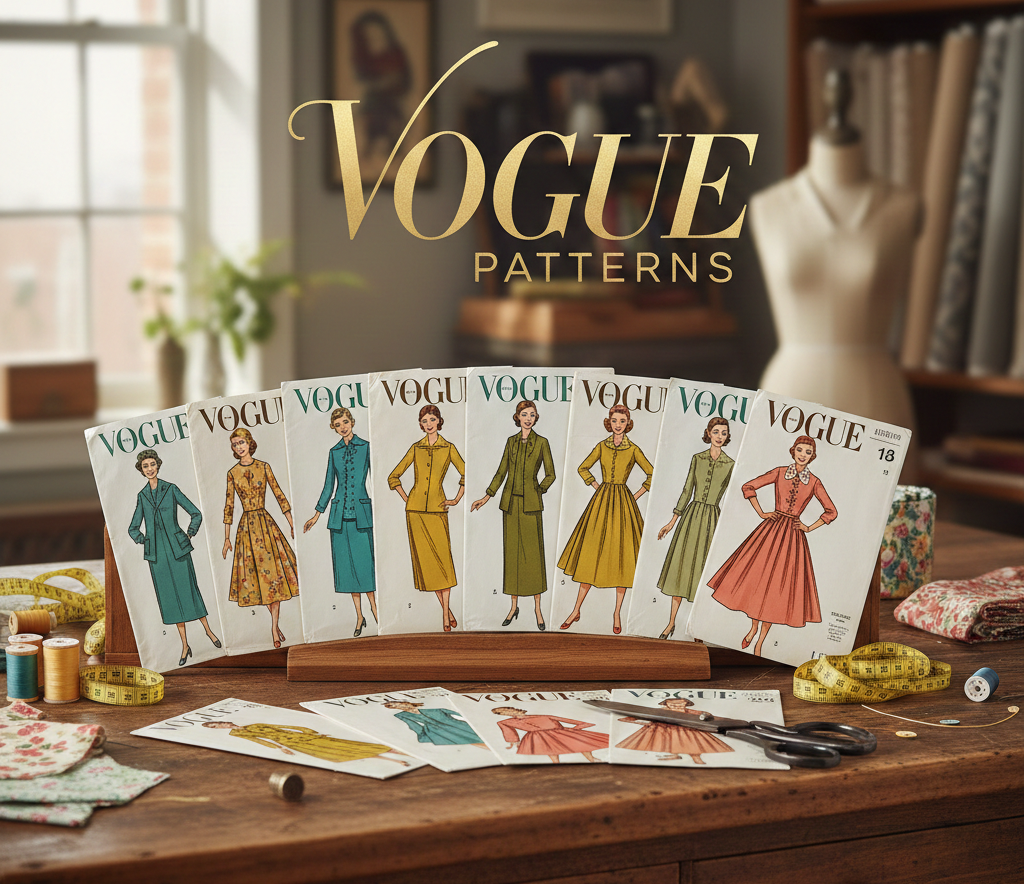
Types of Garments Available
Formalwear
Elegant evening dresses, fitted gowns, and cocktail attire are among the most popular choices. These designs emphasize drape and silhouette.
Everyday Fashion
Blouses, skirts, and trousers allow users to build practical outfits while still maintaining a fashionable appearance.
Outerwear
Coats and jackets provide advanced construction learning opportunities, including lapels, structured collars, and layered fabrics.
Designer Collaborations
Occasionally, patterns reflect styles inspired by runway designers, giving sewists a chance to explore high-end aesthetics at home.
Skill Levels Explained
Patterns are typically marked by difficulty levels so users can choose appropriately:
Easy: Suitable for beginners learning seams and darts
Average: Requires some fitting adjustments
Advanced: Includes tailoring techniques and complex assembly
Choosing the right level prevents frustration and improves overall garment quality.
Choosing the Right Fabric
Fabric selection strongly influences the final result. Structured designs work best with stable materials like cotton sateen or wool blends, while flowing dresses benefit from chiffon, silk, or crepe. The instruction sheet usually suggests recommended textiles and yardage estimates.
Before cutting, washing and pressing the material ensures accurate sizing and reduces shrinkage after the garment is finished.
Tips for Successful Results
- Take accurate body measurements rather than relying on ready-made sizes
- Create a test garment using inexpensive fabric first
- Press seams during each step for a clean finish
- Follow marking guides carefully for symmetry
Small preparation steps dramatically improve the professional look of the final piece.
Why Sewing Enthusiasts Still Love Them
Despite the growth of ready-to-wear clothing, many people enjoy the control that comes with sewing their own wardrobe. Patterns from vogue patterns allow personalization of color, fabric quality, and fit. The finished garment often lasts longer and feels more unique than mass-produced fashion.
Additionally, learning garment construction builds valuable practical skills and encourages creativity. Each completed project improves technique and confidence.Advanced Techniques and Learning Opportunities
One reason sewists often return to Vogue patterns is the opportunity to learn advanced garment construction. Patterns frequently incorporate professional tailoring techniques that might not appear in standard beginner kits. These include:
- Darts and pleats: Shaping garments for a better fit
- Facings and linings: Clean finishing on necklines and hems
- Invisible zippers: Seamless closures for polished results
- Set-in sleeves: Perfecting shoulder and arm movement
- Collars and cuffs: Structured details that elevate basic designs
By practicing these techniques, hobbyists gradually improve their skills, eventually tackling more complex garments with confidence.
Customization and Personal Style
A major appeal of these patterns is the ability to adapt designs to individual taste. Sewists often modify:
- Lengths and hemlines for personal preference
- Neckline shapes for comfort or style
- Sleeve lengths or styles to match season
- Fabric choices for texture, pattern, or color
These modifications make each project feel unique and reflect the personality of the maker. Even small tweaks can dramatically change the garment’s look, allowing creativity without abandoning the structure of the original design.
Sustainability and Wardrobe Building
In addition to creative satisfaction, sewing from patterns promotes sustainability. Handmade garments reduce dependence on fast fashion and allow careful selection of quality materials. Vogue patterns by choosing fabrics thoughtfully and constructing durable clothing, sewists contribute to longer-lasting wardrobes and less waste.
Many people also find that handmade clothing encourages slower, more mindful fashion consumption. Each completed project carries personal value, making it less likely to be discarded compared to mass-produced items.
Online Resources and Community Support
Sewing enthusiasts rarely work in isolation. Online communities, forums, and video tutorials provide guidance for tricky steps, pattern alterations, and fabric choices. Many users share their completed projects, which inspires others and provides practical insight.
Platforms like Instagram, Pinterest, and dedicated sewing forums often showcase finished garments made from Vogue patterns. This community sharing encourages experimentation and builds confidence, especially for beginners tackling more advanced designs.
Choosing the Right Pattern for You
When selecting a pattern, consider:(vogue patterns)
- Skill level: Start with easier designs and gradually progress to advanced techniques
- Intended use: Casual, formal, or outerwear garments require different construction approaches
- Fabric compatibility: Ensure your chosen material works with the pattern’s structure
- Time commitment: Complex designs may require multiple sessions to complete
Taking these factors into account increases the likelihood of producing professional-looking garments and enhances the overall sewing experience.Seasonal Collections and Trends
Vogue patterns often reflect current fashion trends, making it easier for sewists to create garments that feel modern and stylish. Seasonal releases may include:
- Spring/Summer: Lightweight dresses, blouses, and skirts in airy fabrics
- Fall/Winter: Coats, jackets, and layered outfits in heavier textiles
- Special Occasions: Evening gowns, cocktail dresses, and formalwear
Following seasonal patterns allows hobbyists to align their wardrobe with contemporary styles while still using fabrics and colors that reflect personal taste.
Benefits Beyond Clothing
Working with Vogue patterns is not just about producing garments—it also fosters a range of skills:
- Precision and patience: Measuring, cutting, and sewing accurately
- Problem-solving: Adjusting patterns for fit or design changes
- Creativity: Choosing fabrics, colors, and modifications
- Confidence: Completing complex projects successfully
These skills often extend beyond sewing, supporting attention to detail and creative thinking in other areas of life.
Tools and Materials Needed
To get the best results with Vogue patterns, having the right tools is essential. Common items include:
- Sewing machine with multiple stitch options
- Quality pins, scissors, and rotary cutters
- Measuring tape and rulers
- Marking tools for fabric
- Pressing iron and pressing cloth
Using appropriate tools ensures clean, accurate results and makes even advanced techniques more manageable.
Encouraging Beginners
While some patterns may seem daunting at first, Vogue includes instructions that guide beginners step by step. Starting with simpler designs builds confidence, while clear illustrations and notes help avoid common mistakes. Over time, sewists can progress to more challenging garments, gradually mastering professional-level techniques.
Many enthusiasts recommend starting with blouses, skirts, or simple dresses before attempting formalwear or outerwear. This progression allows users to become comfortable with fabric handling, stitching, and fitting adjustments.
Community and Inspiration
The sewing community is an invaluable resource. Social media groups, sewing blogs, and YouTube tutorials often showcase modifications and finished projects from Vogue patterns. Seeing how others adapt and personalize designs encourages experimentation and creativity.
Forums also allow users to ask questions, share tips, and troubleshoot difficulties, making the sewing experience more interactive and enjoyable.
Final Thoughts
Vogue patterns combine fashion-forward designs with practical instruction, making them a versatile tool for anyone interested in sewing. They allow hobbyists to recreate designer-style garments at home, customize each project, and develop valuable skills in garment construction.
By selecting the right pattern, choosing suitable fabrics, and following instructions carefully, sewists can create pieces that are both stylish and durable. Beyond clothing, working with these patterns fosters creativity, precision, and a sense of accomplishment, making Vogue patterns a cornerstone of home sewing for beginners and experienced makers alike.
For anyone passionate about fashion and craftsmanship, Vogue patterns are not just templates—they are a gateway to creativity, skill development, and timeless style.
READ MORE: NEWS BLOGS
