



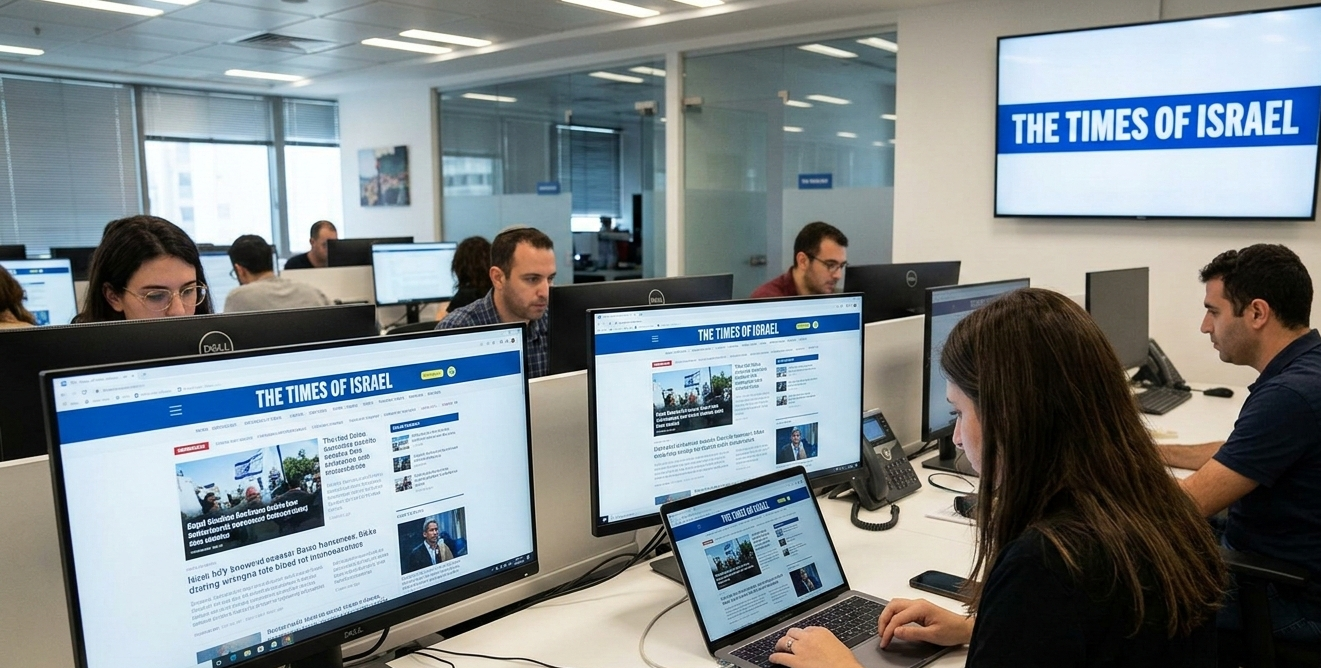
The times of israel is one of the most widely recognized English-language news platforms covering Israel, the Middle East, and Jewish affairs worldwide. Known for its digital-first approach and international readership, the publication has established itself as a major source of breaking news, political analysis, and cultural reporting. Over the years, it has built a strong reputation for timely updates and diverse perspectives on regional and global developments.
Founded in 2012 by journalist David Horovitz, the platform quickly gained attention for its comprehensive reporting style and accessibility. It operates independently and primarily serves readers interested in Israeli politics, security, diplomacy, religion, and society.
History and Founding Vision
The times of israel was launched with the goal of providing fast, reliable, and in-depth reporting about Israel and Jewish communities around the world. The founder envisioned a digital newsroom that could respond quickly to breaking stories while maintaining thoughtful commentary and analysis.
Headquartered in Jerusalem, the publication benefits from direct access to political institutions, religious sites, and regional developments. Its strategic location allows journalists to report from the heart of Israel’s political and cultural landscape.
From its early days, the platform emphasized a strong online presence rather than relying on traditional print distribution. This digital focus helped it expand rapidly across global audiences.
Editorial Focus and Coverage
The times of israel covers a wide range of topics, including:
- Israeli domestic politics
- Middle East conflicts and diplomacy
- U.S.-Israel relations
- Religious and cultural affairs
- Technology and innovation
- Opinion pieces from diverse contributors
It frequently reports on developments involving the Knesset, Israel’s legislative body, and provides updates on government decisions, elections, and policy debates. Coverage also extends to international affairs affecting Jewish communities worldwide.
The platform publishes both breaking news and long-form analytical pieces. This balance allows readers to stay informed about immediate events while also understanding deeper political and social contexts.
Digital Strategy and Global Reach
A key factor behind the growth of the times of israel is its digital strategy. Unlike traditional newspapers that transitioned from print to digital, this outlet was built primarily as an online publication.
Its website offers live updates, multimedia content, podcasts, and newsletters that reach millions of readers globally. The publication also maintains active engagement across social media platforms, allowing real-time interaction with audiences.
Because it publishes in English, the platform attracts readers from the United States, Europe, and other regions interested in Israeli affairs. This international readership has strengthened its role in times of israel as a global news source rather than a purely domestic outlet.
Opinion and Community Contributions
One distinctive feature of the times of israel is its open blog platform, which allows contributors from diverse backgrounds to share perspectives. Writers include academics, activists, religious leaders, and policy experts.
This approach encourages dialogue and debate on complex issues such as regional security, peace negotiations, times of israel religious freedom, and social policy. While editorial standards apply, the inclusion of varied voices broadens the scope of discussion beyond traditional newsroom reporting.
Role in Covering Regional Conflicts
The Middle East is often at the center of international attention, and the times of israel plays a significant role in reporting on conflicts involving Israel and neighboring countries. Its times of israel journalists provide live coverage during times of military escalation, diplomatic negotiations, and humanitarian crises.
Because of its location and network of correspondents, the platform can offer firsthand updates and contextual analysis. This has positioned it as a key reference point for readers seeking timely and detailed information about regional developments.
Challenges and Media Landscape
Like many modern news organizations, the times of israel operates within a highly competitive digital media environment. It must navigate issues such as misinformation, political polarization, and rapidly shifting audience expectations.
Maintaining credibility and balanced reporting remains central to its mission. The publication continues adapting to technological advancements, ensuring it remains accessible on mobile devices and emerging digital platforms.
Multimedia Expansion and Modern Journalism
Over time, the times of israel has expanded beyond traditional written articles to include multimedia storytelling. Podcasts, video interviews, and photo essays now complement its standard news coverage. This approach reflects modern audience preferences for consuming information across multiple formats.
Its podcasts often feature journalists, analysts, and regional experts discussing current events in greater depth. These programs provide listeners with context behind headlines, particularly during periods of political tension or security crises. By embracing audio and visual platforms, the publication strengthens engagement with younger and international audiences.
Coverage of Technology and Innovation
Israel is widely known as a hub for startups and innovation, often referred to as the “Startup Nation.” The times of israel regularly highlights developments in technology, cybersecurity, medical research, and entrepreneurship.
Reporting in this area not only covers local business growth but also examines Israel’s partnerships with global tech companies and research institutions. This broader perspective positions the outlet as more than a political news source; it also reflects economic and technological transformation within the country.
International Editions and Partnerships
To expand its reach, the times of israel has developed partnerships and editions in additional languages beyond English. These localized versions aim to serve Jewish communities and regional audiences more effectively.
Such expansions help the publication maintain relevance in diverse markets while preserving its core editorial identity. International collaboration also enhances reporting networks, enabling correspondents to contribute from various parts of the world.
Audience Trust and Reader Engagement
Trust plays a central role in digital journalism. The times of israel encourages reader interaction through comment sections, newsletters, and community blogs. This participatory model fosters direct dialogue between writers and readers.
Transparency in corrections and updates further strengthens credibility. In fast-moving news cycles, especially during security events, timely clarification is essential. By maintaining a responsive editorial process, the publication supports informed public discussion.
Impact on Global Perception
Because of its wide international readership, the times of israel contributes to shaping global perceptions of Israel and regional affairs. Articles covering diplomacy, peace negotiations, elections, and security operations are often referenced by policymakers, analysts, and academics worldwide.
In times of crisis, international media outlets frequently monitor its updates to understand developments on the ground. This influence underscores its importance within the broader global media ecosystem.
Challenges in the Digital News Era
Like many modern publications, The Times of Israel operates in an environment shaped by rapid information flow and intense competition. Social media platforms distribute breaking stories within seconds, making speed an essential factor in reporting. However, balancing speed with accuracy remains one of the biggest challenges for digital newsrooms.
Misinformation and disinformation campaigns also present ongoing concerns, particularly when covering conflict-related topics. News organizations must verify sources carefully, confirm official statements, and cross-check details before publication. Maintaining credibility requires strict editorial standards and continuous monitoring of updates as situations evolve.
Opinion and Diverse Voices
One of the defining characteristics of this publication is its open blog platform, which allows contributors from various backgrounds to share their perspectives. Writers include academics, diplomats, community leaders, and independent analysts.
This structure encourages debate and exposes readers to a broad spectrum of viewpoints. While news articles focus on verified facts, opinion pieces explore interpretations and arguments on complex topics such as peace negotiations, religious pluralism, domestic reforms, and diaspora relations.
By hosting multiple perspectives, the outlet reflects the diversity within Israeli and Jewish communities worldwide.
Coverage During Major Events
During elections, military operations, or diplomatic breakthroughs, readership typically increases significantly. In such moments, readers seek not only headlines but also deeper context and expert insight.
Comprehensive live blogs, timeline summaries, and background explainers help audiences understand unfolding developments. This approach allows the publication to provide both immediate updates and long-term analysis in one accessible platform.
For international readers unfamiliar with local politics, explanatory reporting becomes particularly important. Articles often clarify historical background, party ideologies, and regional alliances, helping global audiences interpret events more clearly.
Role in Jewish Diaspora Reporting
Beyond domestic Israeli affairs, the publication devotes substantial coverage to Jewish communities across North America, Europe, Latin America, and beyond. Stories range from cultural initiatives and community events to issues such as antisemitism, religious debates, and identity discussions.
This international lens strengthens its connection with readers outside Israel. By linking domestic developments with global Jewish experiences, it creates a sense of shared narrative across borders.
Financial Model and Sustainability
Digital media sustainability is a pressing concern worldwide. Advertising revenue alone is often insufficient to support independent journalism. Many online publications explore subscription models, memberships, and philanthropic support to maintain operations.
Through a combination of advertising and voluntary reader contributions, the outlet continues to fund its newsroom and expand reporting resources. Transparent funding structures contribute to long-term stability and audience confidence.
The Future of Online News Platforms
As artificial intelligence tools, data analytics, and multimedia storytelling continue to advance, digital publications are transforming how they deliver information. Interactive graphics, real-time dashboards, and personalized newsletters are becoming common features.
The evolution of online journalism suggests that adaptability will remain essential. Readers increasingly expect mobile-friendly design, concise summaries, and deeper investigative pieces all within a single ecosystem.
Conclusion
From political reporting and security updates to cultural features and global Jewish affairs, the publication remains a significant voice in international media. Its ability to combine speed, depth, and diverse commentary has helped it build a loyal worldwide readership.
In a rapidly changing information landscape, strong editorial standards, technological innovation, and reader engagement will continue to shape its trajectory. As global attention frequently turns toward the Middle East, platforms that provide timely context and balanced coverage will remain essential for informed public discourse.
READ MORE: NEWS BLOGS
