



Cuando es Semana Santa 2025, or Holy Week, is one of the most important celebrations in the Christian calendar, marked by devotion, reflection, and vibrant cultural traditions. Each year, millions of people around the world observe this sacred week, honoring the final days of Jesus Christ’s life, his crucifixion, and his resurrection. In 2025, Semana Santa falls in mid-April, and understanding its exact dates, history, and cultural practices is essential for both worshippers and travelers who wish to participate in the celebrations. This article explores every aspect of Semana Santa 2025, providing detailed insights for anyone curious about this deeply significant week.
When is Semana Santa 2025?
In 2025, Semana Santa will be celebrated from Sunday, April 13, to Sunday, April 20. The week begins with Palm Sunday (Domingo de Ramos), which commemorates Jesus’s triumphant entry into Jerusalem, and concludes with Easter Sunday (Domingo de Resurrección), celebrating his resurrection. Between these two dates, significant days like Maundy Thursday (Jueves Santo) on April 17, Good Friday (Viernes Santo) on April 18, and Holy Saturday (Sábado Santo) on April 19 are observed with special ceremonies and rituals.
The shifting dates of Semana Santa are based on the Christian liturgical calendar, which calculates Easter Sunday as the first Sunday after the full moon following the spring equinox. This means that the week’s dates change annually, falling anywhere between late March and late April. For 2025, this timing places Holy Week squarely in mid-April, a period of both religious reflection and cultural celebration across many countries.
The Origins and Religious Significance
Semana Santa has deep religious roots, dating back to the earliest centuries of Christianity. The week commemorates the events of Jesus Christ’s final days on Earth, including his passion, crucifixion, and resurrection. Palm Sunday begins the week with the memory of Jesus entering Jerusalem, greeted by crowds waving palm branches in celebration.
Maundy Thursday recalls the Last Supper, where Jesus shared bread and wine with his disciples and established the Eucharist as a central sacrament in Christian faith. Good Friday is the solemn remembrance of Jesus’s crucifixion and death, a day observed with fasting, prayer, and religious processions. Holy Saturday provides a quiet period of reflection, anticipating the joyous celebration of Easter Sunday, which symbolizes hope, renewal, and eternal life. These observances are designed to deepen spiritual understanding and encourage devotion among believers.
How the Dates Are Determined
The dates of Semana Santa are tied to the lunar cycle, as determined by the Council of Nicaea in 325 AD. Easter Sunday is celebrated on the first Sunday following the first full moon after the spring equinox, linking Christian observance to the natural rhythms of the calendar. This system aligns loosely with the Jewish Passover, reflecting the historical context of the Last Supper and the resurrection narrative.
Because of this calculation, Holy Week shifts annually, sometimes beginning as early as late March or as late as late April. In 2025, the spring full moon falls in early April, which sets Palm Sunday on April 13. Understanding this method of calculation not only clarifies why the dates change each year but also emphasizes the connection between natural cycles and religious observance in Christian tradition.
Cultural Traditions Around the World
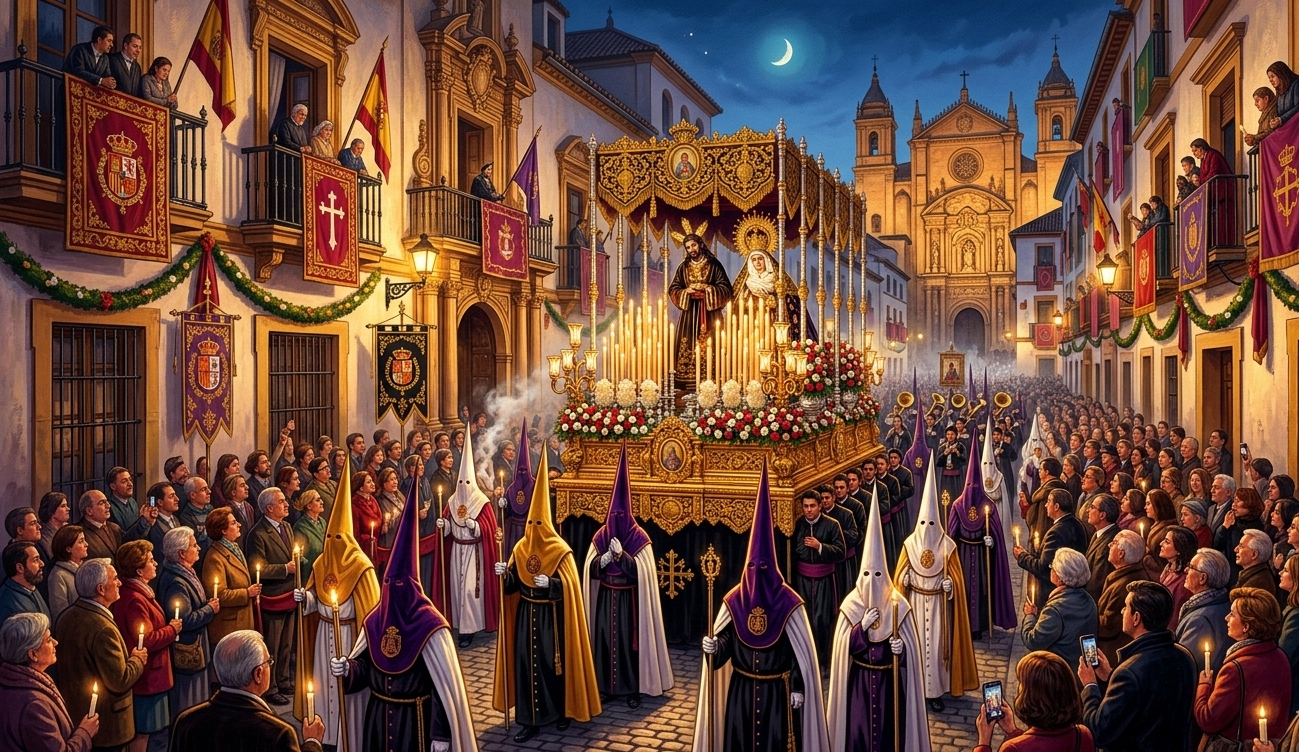
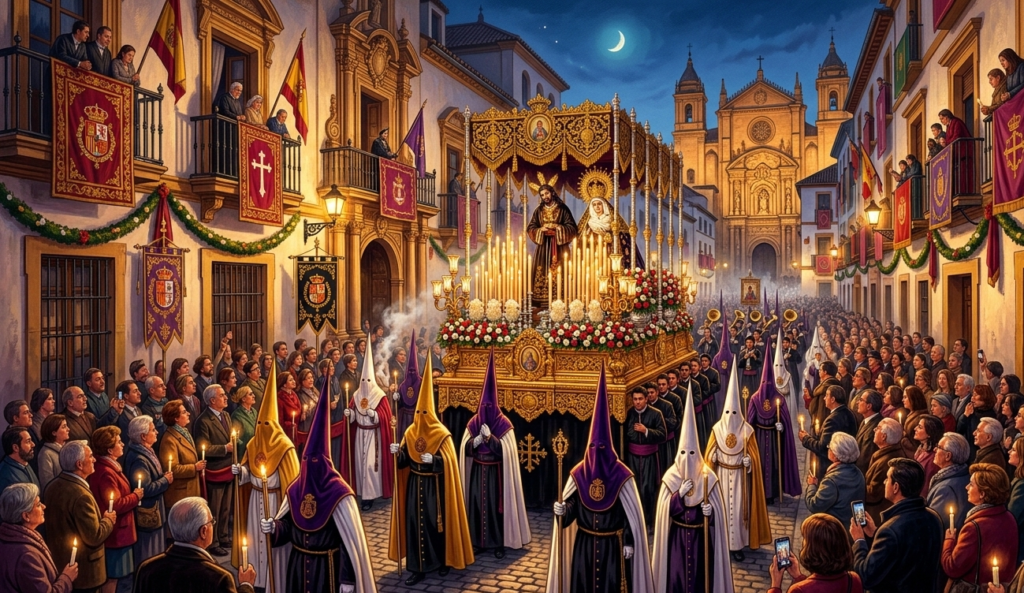
Semana Santa is celebrated with unique cultural practices that vary by region. In Spain, the week is renowned for its elaborate processions, where large floats depicting scenes from the Passion of Christ are carried through city streets. Participants, often members of religious brotherhoods, wear traditional robes and hoods, and the processions are accompanied by solemn music, chants, and public displays of devotion. Cities like Seville, Málaga, and Valladolid are famous worldwide for the intensity and beauty of their Semana Santa observances.
In Latin America, Holy Week merges religious devotion with local customs. In Guatemala, streets are adorned with intricate colored sawdust carpets, and elaborate parades fill the city, drawing thousands of locals and tourists. In Mexico, communities prepare traditional foods, host processions, and participate in public reenactments of biblical events. Peru blends indigenous customs with Catholic rituals, creating celebrations that are both visually stunning and spiritually meaningful. Each region contributes its own flavor, demonstrating how Semana Santa is both a universal Christian observance and a reflection of local cultural identity.
Semana Santa as a Public Holiday
Many countries recognize key days of Semana Santa as official public holidays. Good Friday, which falls on April 18 in 2025, is widely observed, allowing time for rest, reflection, and participation in religious ceremonies. In some regions, Maundy Thursday and Easter Monday may also be public holidays, creating long weekends for families and communities to gather and travel.
The designation of public holidays varies by country. In Spain, some regions grant Maundy Thursday as a holiday, while Easter Monday is observed in others. In Mexico and several Latin American nations, schools often close for the entirety of Holy Week, enabling students and families to participate in the cultural and religious activities associated with the week. These holidays help ensure that the spiritual significance of Semana Santa is honored while allowing people to fully engage in local traditions.
Planning for Semana Santa 2025
Semana Santa is not only a time of worship but also a major travel and cultural event. Cities known for their Holy Week celebrations attract thousands of visitors, making accommodations, transportation, and event spaces highly sought after. Planning ahead is essential for travelers who wish to experience the processions and festivities without stress.
Visitors should familiarize themselves with local customs, including the timing of processions, religious services, and public ceremonies. Understanding these practices enhances the experience and allows participation in ways that are respectful and meaningful. From Spain to Latin America, early planning ensures access to the most significant events and the opportunity to witness the rich traditions that define Semana Santa.
The Social and Economic Impact
Semana Santa has a profound social and cultural impact. In addition to its religious significance, the week affects school calendars, work schedules, and tourism patterns. Cities famous for their Holy Week celebrations experience economic surges as hotels, restaurants, and local vendors cater to the influx of tourists and pilgrims. Cultural institutions often organize special exhibitions, performances, and events to coincide with the celebrations, showcasing local art and tradition.
On a social level, Semana Santa encourages family and community participation. Families come together for meals, prayer, and shared rituals, while communities collaborate to organize parades, decorations, and charitable activities. The week strengthens social bonds and preserves cultural heritage, demonstrating that Semana Santa is both a spiritual observance and a communal experience that touches every aspect of society.
Modern Observance and Personal Reflection
Today, Semana Santa continues to be observed both for its religious meaning and cultural significance. Churches host daily services, and communities engage in processions, reenactments, and public displays of faith. For many, it is also a time of personal reflection, self-improvement, and acts of charity.
The modern observance of Semana Santa blends tradition with contemporary life, allowing individuals to experience the spiritual, cultural, and emotional dimensions of the week. Whether participating in processions, attending church services, or spending time with family, Semana Santa 2025 provides an opportunity for reflection, renewal, and celebration, connecting individuals to centuries of religious practice and community tradition.
Conclusion
Semana Santa 2025, observed from April 13 to April 20, is a period of profound religious significance, cultural richness, and social engagement. From the solemn remembrance of Christ’s passion to the joyful celebration of his resurrection, the week is marked by devotion, tradition, and vibrant communal participation. Understanding its dates, origins, traditions, and modern observances allows both worshippers and travelers to fully appreciate the depth and beauty of this important Christian celebration. Whether observed through faith, cultural interest, or personal reflection, Semana Santa remains a pivotal moment in the spiritual and social calendar of millions worldwide.
READ MORE: NEWS BLOGS
