



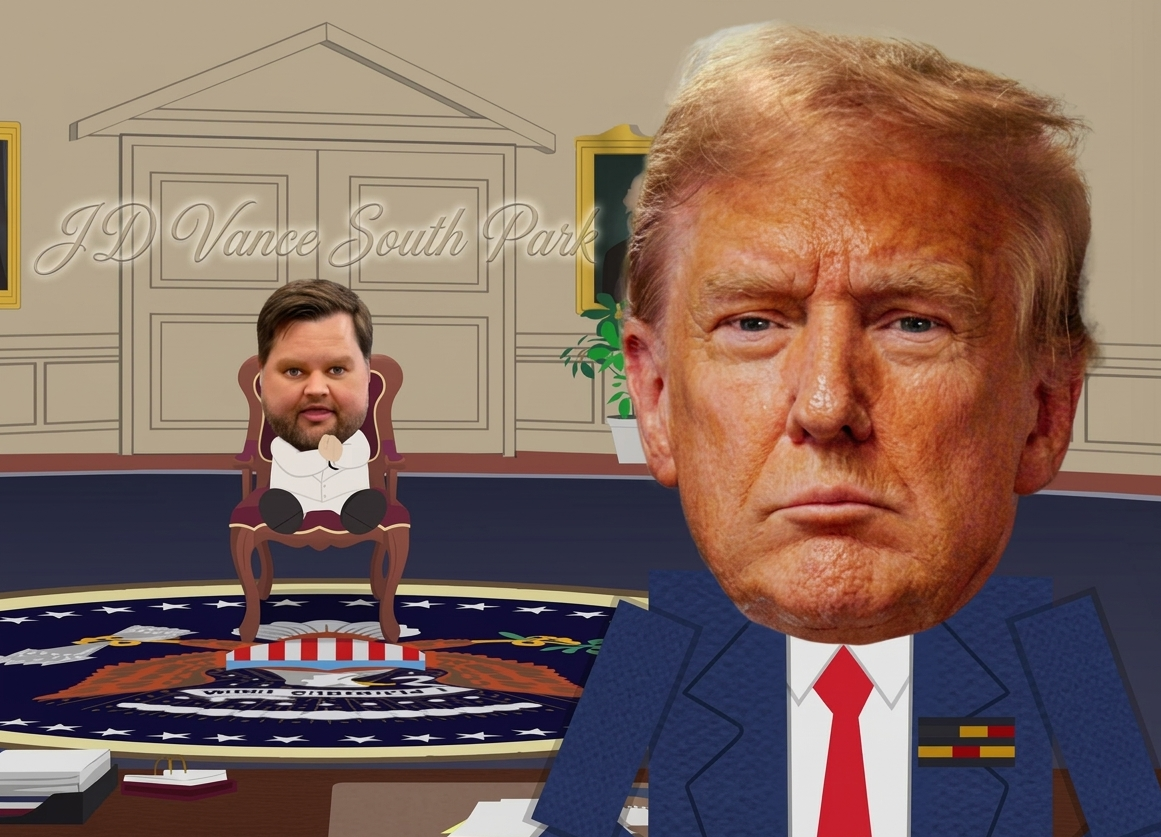
JD Vance South Park has long been recognized as one of the most audacious and culturally relevant animated shows in American television history. Known for its fearless political satire and irreverent humor, the series often tackles contemporary political figures, and in recent years, the show has turned its attention to JD Vance, the Vice President of the United States. Vance, who rose to prominence both as a politician and author, became the subject of intense parody in the series, reflecting the evolving intersection of popular culture, politics, and social media. The portrayal has sparked discussions online, with reactions ranging from amusement to controversy, highlighting the role of satire in modern political commentary.
Who Is JD Vance and Why He Appears on South Park
JD Vance, formally known as James David Vance, is an American politician, author, and entrepreneur who became Vice President in 2025. He gained national recognition through his bestselling memoir, which discussed his personal upbringing and the broader economic and social challenges in the American Midwest. Transitioning from literary prominence to political influence, Vance’s rise to vice presidency placed him under public scrutiny, making him a target for cultural satire. South Park, renowned for lampooning contemporary figures, seized the opportunity to parody Vance in its unique, exaggerated style, blending humor, caricature, and social commentary.
The series depicts Vance not in a realistic political lens but through a deliberately distorted caricature. His portrayal emphasizes exaggerated traits, including his perceived subservience to the president, amplified by internet meme culture. This method of representation aligns with South Park’s long-standing approach of translating real-world figures into absurd, comedic versions that highlight public perceptions, biases, and societal conversations. By bringing Vance into its narrative, the show comments on contemporary politics while maintaining its signature shock humor and cultural critique.
The Episode “Got a Nut” and JD Vance’s Introduction
JD Vance made his first notable South Park appearance in the episode titled “Got a Nut” from Season 27. In this episode, he is introduced as a small, deferential figure constantly attending to President Trump’s whims. The show amplifies his characteristics, presenting him as almost childlike in demeanor, which plays on internet memes that had already depicted him in a similarly diminutive and submissive manner. The comedic tension arises from juxtaposing his real-life political influence with an absurd, exaggerated animated persona that is both ridiculous and instantly recognizable.
The episode uses Vance’s exaggerated persona to explore broader political themes. By positioning him in humorous yet subservient roles, the show comments on perceived hierarchies within contemporary politics, highlighting loyalty, ambition, and the dynamics of public perception. This approach exemplifies how South Park consistently turns real-life political events and figures into entertainment that engages audiences while offering subtle social commentary.
Meme Culture as Inspiration for Vance’s Character
Much of Vance’s portrayal in South Park draws directly from online meme culture. Memes depicting Vance as a small, eager-to-please figure circulated widely on social media platforms, influencing public perception and creating a visual shorthand for satire. The show’s creators, Trey Parker and Matt Stone, incorporated these memes to create a character instantly recognizable to audiences familiar with internet humor. This reflects a growing trend in which television satire interacts with viral online content, blurring the line between social media influence and mainstream entertainment.
These meme-driven depictions highlight the power of online culture in shaping the narratives around public figures. By adopting and exaggerating meme traits, South Park not only satirizes Vance but also critiques the ways in which digital culture distorts political realities. The integration of memes into scripted satire demonstrates the interplay between humor, media, and public perception in the digital age.
JD Vance’s Public Reaction to His Satirical Depiction
Unlike many public figures who respond negatively to satirical portrayals, JD Vance reacted with humor and brevity. Following the release of the South Park episode featuring him, Vance posted on social media, acknowledging his appearance with a simple, self-aware comment. This response was seen by many as savvy and culturally aware, embracing the inevitable public exposure that comes with being satirized in a prominent cultural platform.
Vance’s reaction demonstrated a modern approach to media management, where engagement rather than denial often garners positive attention. By acknowledging the parody, he participated in a broader public conversation, enhancing his visibility while also showing that he could navigate satire without defensiveness. The incident became a talking point itself, reflecting how politicians increasingly interact with cultural narratives in a media-savvy age.
Controversial Episodes and AI-Driven Satire
The South Park series did not limit its satire to mere caricature. In later episodes, particularly in Season 28, Vance’s character was placed in controversial and provocative storylines that included AI-generated deepfake scenarios. These episodes depicted exaggerated and intimate situations involving Vance, exploring the implications of artificial intelligence, media manipulation, and the blurred lines between reality and fiction.
The creators used these storylines to comment on the growing concerns surrounding AI misuse, misinformation, and digital scandal culture. By placing a real political figure into a fictionalized, extreme narrative, South Park examined societal anxieties about technological manipulation, while maintaining its shock-based comedic style. These episodes ignited debates about the ethical limits of satire, especially when real individuals are portrayed in intimate or sensationalized scenarios.
Cultural and Political Impact of Vance’s Portrayal
JD Vance’s inclusion in South Park demonstrates how political satire can influence cultural perception. The show’s exaggerated depiction invites audiences to reflect on public personas, loyalty, and political power dynamics. Beyond humor, these portrayals contribute to discussions about how politicians are perceived, often amplifying certain traits or controversies to comment on societal values and media consumption.
Through this lens, South Park serves as more than entertainment; it functions as a cultural mirror, reflecting and critiquing the complexities of political life. The interplay between satire, social media, and real-world politics underscores the evolving role of cultural commentary in shaping public discourse. Audiences engage with political narratives not only through news coverage but also through humor, parody, and shared digital culture.
Public Reception and Online Engagement
The public reaction to Vance’s portrayal was polarized yet highly engaged. Fans praised the show’s audacity and humor, while critics debated whether some scenes crossed lines of decency. Online platforms like X, Reddit, and Instagram became hubs for sharing clips, memes, and discussions about the portrayal. Vance’s own humorous acknowledgment further fueled online engagement, with social media users interpreting his response as an example of political media savvy.
This public discourse illustrates the growing importance of cultural representation in politics. Satire shapes conversations, influences perceptions, and fosters engagement beyond traditional news outlets. JD Vance’s South Park portrayal exemplifies the merging of entertainment, meme culture, and political commentary, demonstrating the complex dynamics of modern public perception.
The Lasting Legacy of South Park’s Political Satire
South Park has consistently challenged boundaries and redefined the possibilities of political satire. Its depiction of JD Vance continues this legacy, highlighting the ways in which animated comedy can comment on current events, social trends, and public figures. The series’ fearless approach reminds audiences that political humor is not only a tool for entertainment but also a vehicle for cultural reflection.
By parodying JD Vance, South Park reinforces its relevance in contemporary media, demonstrating how satire can shape narratives, spark public discussion, and influence cultural perception. The show’s portrayal underscores the enduring power of humor in examining societal issues, proving that satire remains a vital lens through which audiences engage with politics, media, and digital culture.
READ MORE: NEWS BLOGS
