



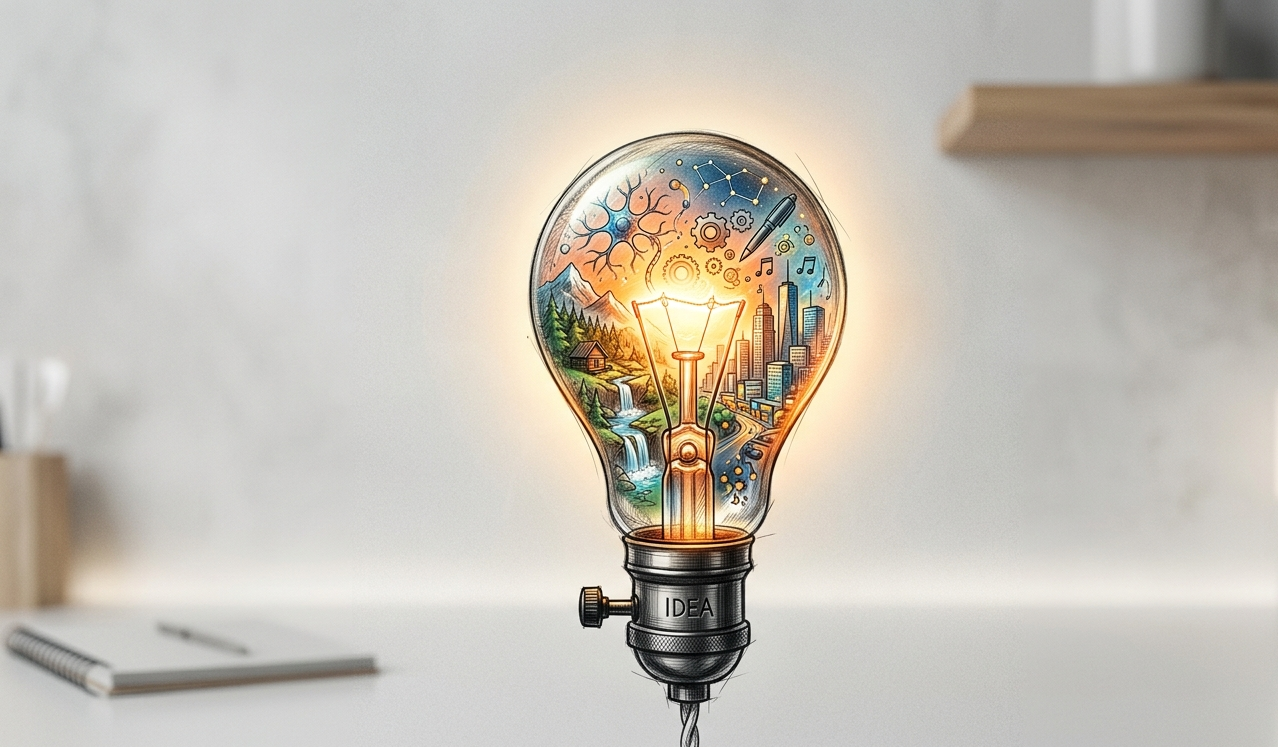
Light bulb drawing is a timeless and versatile subject that appeals to both beginners and experienced artists. At first glance, it may seem like a simple object to sketch, but it offers a wide range of artistic challenges and opportunities for improvement. From understanding basic shapes to mastering reflections and transparency, drawing a light bulb can significantly enhance your overall drawing skills. It is often recommended in art education as a foundational exercise because it combines structure, lighting, and creativity in a single subject.
Beyond its physical form, the light bulb carries strong symbolic meaning. It is widely recognized as a representation of ideas, innovation, and inspiration. This symbolic value has made it a popular element in visual storytelling, branding, and illustration. Artists often use light bulb drawings not only to practice technique but also to express abstract concepts, making it both a technical and conceptual subject in the world of art.
The Importance of Light Bulb Drawing in Art Education
Light bulb drawing plays a significant role in art education because it helps students understand essential drawing principles. One of the key lessons it teaches is how to break down complex objects into simple shapes. The bulb can be simplified into an oval or circular form, while the base can be constructed using cylinders and lines. This approach helps beginners build confidence and develop a structured way of thinking when approaching any subject.
In addition to structure, light bulb drawing introduces students to the concept of light and shadow. Since the bulb is made of glass, it interacts with light in unique ways, creating reflections, highlights, and subtle shadows. Learning to observe and replicate these effects trains the eye and improves visual perception. As a result, students gain a deeper understanding of how light behaves, which is essential for realistic drawing and painting.
Understanding the Anatomy of a Light Bulb
To draw a light bulb accurately, it is important to understand its anatomy. A typical incandescent bulb consists of three main parts: the glass envelope, the filament, and the base. The glass envelope is the outer shell, usually rounded at the top and slightly tapered toward the bottom. This shape is crucial for maintaining the bulb’s recognizable form in a drawing.
Inside the glass, the filament is a thin wire that produces light when heated. It is supported by small wires or structures that hold it in place. The base, often metallic, includes screw threads that allow the bulb to be fitted into a socket. Each of these components contributes to the overall appearance, and careful observation of these details can make a drawing more realistic and visually appealing.
Step-by-Step Approach to Drawing a Light Bulb
The process of drawing a light bulb typically begins with a basic outline. Artists often start by sketching an oval or circular shape to represent the glass portion. This initial step helps establish the proportions and placement of the bulb on the page. From there, the base is added using straight and curved lines to create its distinctive shape.
After the outline is complete, the next step involves refining the drawing by adding details. This includes sketching the filament, internal supports, and the ridges on the base. Once the structure is defined, shading is applied to create depth and dimension. By gradually building up tones and highlights, the drawing begins to take on a three-dimensional appearance, transforming a simple sketch into a more polished artwork.
Techniques for Creating Realistic Light Bulb Drawings
Achieving realism in light bulb drawing requires a strong understanding of light behavior and shading techniques. Since the bulb is transparent, artists must carefully balance light and dark areas to create the illusion of glass. Soft shading around the edges helps define the curvature, while leaving certain areas untouched creates highlights that mimic reflections.
Blending techniques are often used to smooth transitions between light and shadow. Artists may use tools such as blending stumps, tissues, or even their fingers to achieve a seamless effect. Additionally, varying pencil pressure allows for a wider range of tones, enhancing the overall realism. Mastering these techniques takes practice, but it greatly improves the quality and impact of the final drawing.
Creative Light Bulb Drawing Ideas and Concepts
Light bulb drawing is not limited to realistic representation; it also offers endless creative possibilities. Artists often experiment by filling the bulb with imaginative scenes, patterns, or symbols. For example, a bulb containing a miniature landscape can represent growth and sustainability, while abstract designs can convey emotions or ideas.
These creative interpretations allow artists to go beyond technical practice and explore storytelling through their work. The light bulb becomes a canvas for imagination, encouraging experimentation with different styles and concepts. This versatility makes it a popular subject in modern art, illustration, and even digital design, where creativity and originality are highly valued.
Common Challenges in Light Bulb Drawing
Despite its simplicity, light bulb drawing presents several challenges, especially for beginners. One common issue is maintaining proper proportions. If the bulb is too narrow or the base is too large, the drawing can look unbalanced. Careful observation and light initial sketches can help avoid this problem.
Another challenge is accurately depicting transparency and reflections. Many beginners tend to over-shade the bulb, making it appear solid rather than transparent. Understanding how light interacts with glass is essential for overcoming this difficulty. Practicing with reference images and studying real objects can improve accuracy and confidence over time.
Tools and Materials for Effective Drawing
The choice of tools and materials can significantly impact the outcome of a light bulb drawing. For beginners, basic supplies such as graphite pencils, erasers, and sketch paper are sufficient. Using a range of pencil grades allows for greater control over shading and detail, making it easier to create depth and contrast.
More advanced artists may explore additional mediums such as charcoal, ink, or digital tools. Digital drawing software offers features like layers and undo options, which can simplify the process and encourage experimentation. Regardless of the medium, the key to improvement lies in consistent practice and a willingness to explore different techniques.
The Role of Light and Reflection in Drawing
Light and reflection are central elements in light bulb drawing. Because the bulb is made of glass, it reflects its surroundings and allows light to pass through it. Capturing these effects requires careful observation and a subtle approach to shading. Highlights should be placed strategically to mimic the way light interacts with the surface.
Understanding reflection also helps in creating a sense of realism. For example, the environment around the bulb can influence its appearance, adding complexity to the drawing. By studying how light behaves in different conditions, artists can develop a more nuanced approach to shading and improve the overall quality of their work.
Conclusion: Developing Mastery in Light Bulb Drawing
Light bulb drawing is an excellent exercise for developing both technical and creative skills. It teaches important concepts such as structure, proportion, light, and shadow, while also offering opportunities for artistic expression. Whether you are a beginner learning the basics or an experienced artist exploring new ideas, this subject provides valuable practice and inspiration.
With dedication and consistent effort, anyone can improve their ability to draw a light bulb realistically and creatively. The skills gained from this practice can be applied to a wide range of artistic subjects, making it a worthwhile addition to any artist’s journey. Over time, what begins as a simple sketch can evolve into a detailed and expressive piece of art.
READ MORE: NEWS BLOGS
