



The Journey from Animated Classic to Live-Action Adaptation
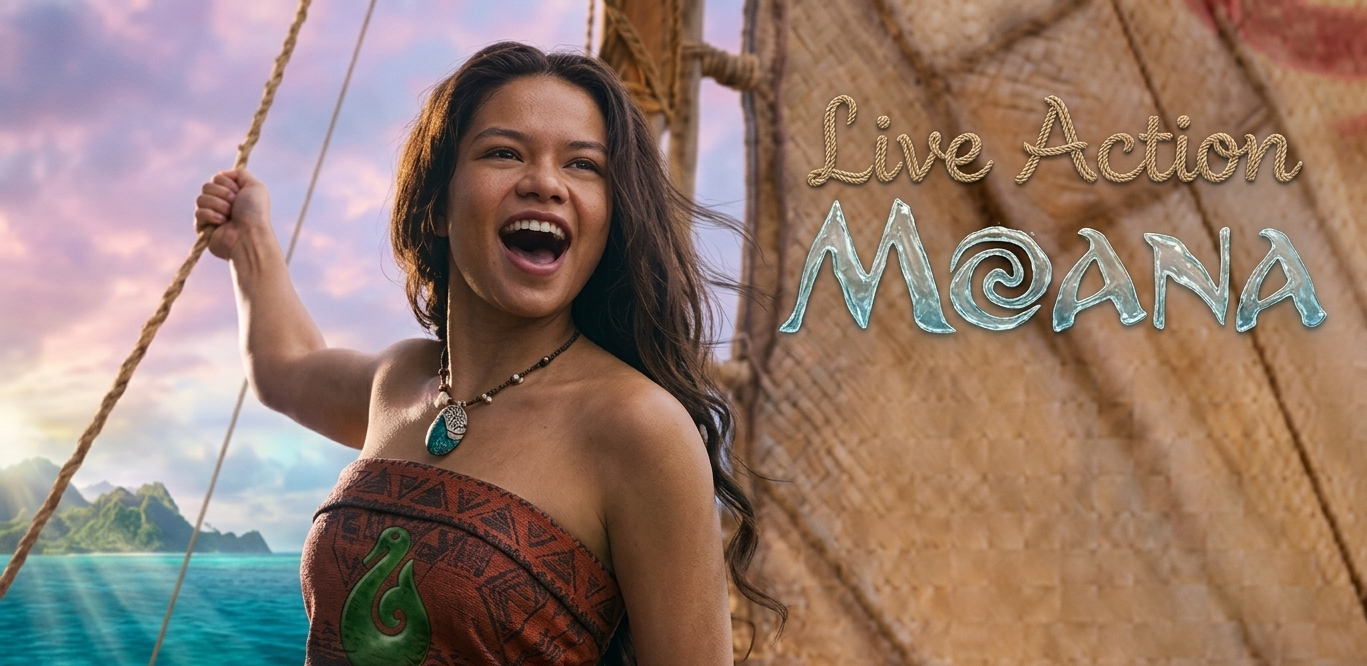
The live action Moana has become one of the most anticipated projects from The Walt Disney Company in recent years. The original animated movie, released in 2016, introduced audiences to a courageous Polynesian teenager chosen by the ocean to restore balance to nature. With its powerful storytelling, vibrant animation, and memorable songs, the film quickly became a global success and remains one of Disney’s most beloved modern animated productions. Because of the film’s continued popularity on streaming platforms and its cultural impact, Disney announced that it would reimagine the story in a live-action format.
The decision to create a live-action version aligns with Disney’s broader strategy of adapting its animated classics for modern audiences. In recent years the studio has reimagined several famous animated titles using real actors and advanced visual effects. The live-action version of Moana aims to preserve the spirit of the original story while enhancing its cinematic scope through modern filmmaking techniques. By bringing the world of the Pacific Ocean to life with real landscapes, practical sets, and cutting-edge CGI, the film hopes to offer viewers a new perspective on a familiar adventure.
For Disney, the live-action Moana project represents more than just a remake. It is an opportunity to celebrate Pacific Islander culture, mythology, and storytelling traditions on a larger cinematic scale. The studio has emphasized that the adaptation will respect the cultural authenticity that helped make the original film meaningful for audiences across the world.
Story and Narrative Direction of the Live-Action Film
The storyline of the live-action film follows the same foundational narrative introduced in the animated movie. The story centers on Moana, the daughter of the chief of a small island community in Polynesia. While she is expected to one day lead her people, Moana feels a strong connection to the ocean and dreams of exploring beyond the boundaries of her island. This desire for discovery becomes the driving force behind her journey of courage and self-discovery.
When a mysterious ecological imbalance begins to threaten the island and its people, Moana learns that the legendary Heart of Te Fiti must be returned to its rightful place. The magical stone once belonged to the life-giving goddess Te Fiti, but it was stolen by the mischievous demigod Maui. Without the heart, darkness spreads across the ocean and endangers countless islands. Determined to save her home, Moana sets sail on a dangerous journey across the Pacific.
Along the way, Moana encounters the powerful demigod Maui. Although Maui initially refuses to help her, the two eventually form a partnership as they face giant monsters, magical obstacles, and ancient curses. Their journey becomes both a physical adventure and an emotional story about courage, identity, and responsibility.
Casting Choices and Major Characters
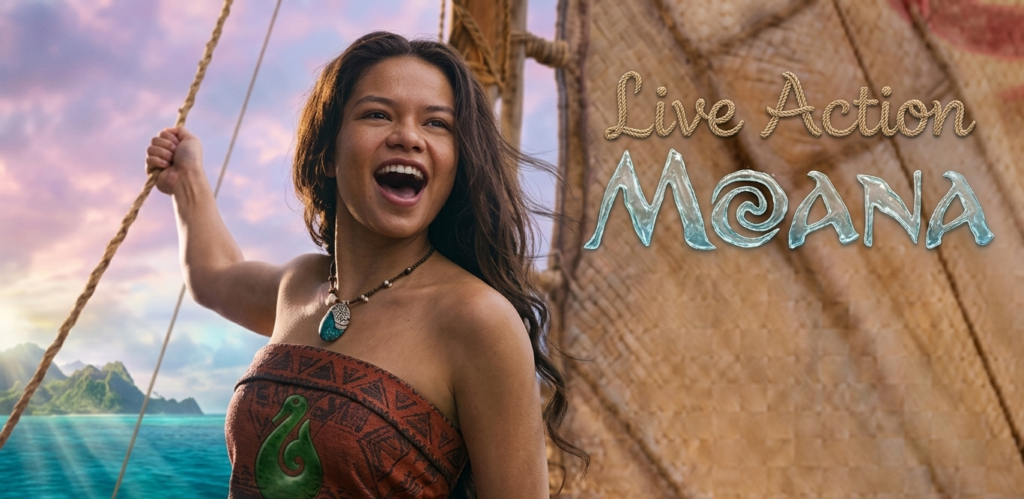
One of the most discussed aspects of the live-action Moana adaptation is its casting. The role of Moana will be played by Catherine Laga’aia, a young actress of Samoan heritage who was chosen after an extensive international casting search. Her selection reflects Disney’s intention to represent Pacific Islander culture authentically and provide opportunities for performers from the region.
Returning to the franchise is Dwayne Johnson, who will once again portray the demigod Maui. Johnson originally voiced the character in the animated film and has expressed deep personal pride in the story because of his Polynesian heritage. His return provides continuity between the animated and live-action versions and ensures that Maui retains the charismatic personality audiences remember.
Other key cast members include John Tui as Chief Tui, Moana’s father and leader of the island community. Frankie Adams plays Moana’s mother Sina, while Rena Owen portrays the wise and spiritual grandmother Tala. These casting choices emphasize cultural authenticity and strengthen the film’s connection to Polynesian storytelling traditions.
Direction, Creative Team, and Production Vision
The live-action film is directed by Thomas Kail, a filmmaker known for directing the stage production of Hamilton. Kail’s experience with large-scale musical storytelling makes him well suited to adapt Moana’s emotional narrative and musical elements for the big screen.
The screenplay for the film was developed by writers including Jared Bush and Dana Ledoux Miller. Both writers have strong connections to the original film and bring valuable experience in storytelling and character development. Their goal is to expand the emotional depth of the story while remaining faithful to the themes that made the original film successful.
Music continues to be a crucial part of the Moana universe. Songs from the original film, including “How Far I’ll Go” and “You’re Welcome,” became global hits. The live-action version is expected to include updated versions of these songs, ensuring that the musical identity of the story remains intact while benefiting from modern orchestration and production techniques.
Filming Locations and Visual Effects
Creating the world of Moana in live action requires a combination of real-world locations and sophisticated visual effects. Much of the film was shot in studios in Atlanta, where elaborate sets were constructed to represent island villages and ocean environments. Additional filming took place in locations that capture the tropical landscapes of the Pacific region.
The ocean plays a central role in the story, functioning almost like a character that guides Moana throughout her journey. To recreate this magical ocean in live action, the filmmakers are using advanced computer-generated imagery combined with practical water effects. This allows the ocean to move and interact with characters in ways that remain visually believable while maintaining the magical qualities of the animated version.
The production team is also using cutting-edge CGI to recreate mythical creatures such as the lava monster Te Kā. Bringing these legendary figures to life requires complex digital animation combined with performance capture technology to ensure realistic movement and emotional expression.
Polynesian Culture and Mythological Inspiration
One of the defining elements of Moana is its deep connection to Polynesian culture and mythology. The story draws inspiration from the traditions, navigation techniques, and spiritual beliefs of Pacific Islander communities. During the development of the original animated film, Disney collaborated with cultural advisors known as the “Oceanic Story Trust.” This group included historians, anthropologists, and community leaders who ensured the story respected cultural traditions.
The live-action adaptation continues this commitment to cultural accuracy. The filmmakers have consulted Pacific Islander experts and community representatives to ensure that costumes, language, and cultural references remain authentic. This approach helps avoid stereotypes while celebrating the real traditions that inspired the story.
Polynesian navigation is another important theme in Moana. Historically, Polynesian explorers traveled thousands of miles across the Pacific Ocean using knowledge of stars, ocean currents, and wind patterns. Moana’s journey reflects this heritage, highlighting the remarkable achievements of ancient seafarers and their connection to nature.
Release Plans and Audience Expectations
Disney has scheduled the release of the live-action Moana for July 2026. The film will debut during the summer blockbuster season, a period when major family films often perform strongly at the global box office. The timing also coincides with the continued popularity of the Moana franchise on streaming platforms and in merchandise sales.
Fans around the world are eager to see how the film will translate the animated story into live action. Iconic scenes such as Moana’s first voyage beyond the reef and Maui’s magical shape-shifting abilities are expected to be visual highlights of the movie. Advances in filmmaking technology mean these moments can now be presented with greater realism and cinematic scale.
Disney has already generated excitement through early promotional materials and teaser announcements. The combination of a beloved story, recognizable characters, and new visual possibilities has created significant anticipation among audiences.
Expanding the Moana Universe
The live-action adaptation arrives during a period of renewed interest in the Moana franchise. Disney has expanded the story through additional media projects, including the animated sequel Moana 2. The success of these projects demonstrates that audiences remain deeply connected to the characters and themes introduced in the original film.
Expanding the Moana universe allows Disney to explore new stories while maintaining the core values that define the franchise. Themes such as environmental responsibility, cultural pride, and personal courage resonate strongly with modern audiences. These themes are likely to remain central to the live-action adaptation.
By combining new storytelling with familiar characters, Disney hopes to create a cinematic experience that appeals both to longtime fans and to viewers who are discovering the story for the first time.
The Future of Disney Live-Action Adaptations
The release of the live-action Moana is part of a larger trend within Disney’s film strategy. Over the past decade, the studio has successfully reimagined several animated classics using live-action filmmaking techniques. These projects allow Disney to introduce classic stories to new generations while benefiting from advances in visual effects and cinematic storytelling.
Moana is particularly well suited to this approach because of its expansive ocean setting and mythological elements. Modern visual effects can bring these environments and creatures to life in ways that were not previously possible. At the same time, the emotional heart of the story remains rooted in Moana’s personal journey toward leadership and self-discovery.
If the live-action adaptation succeeds, it could become one of Disney’s most important projects of the decade. The combination of cultural authenticity, technological innovation, and timeless storytelling gives the film the potential to captivate audiences around the world once again.
READ MORE: NEWS BLOGS
