



Understanding What Medium Rare Means
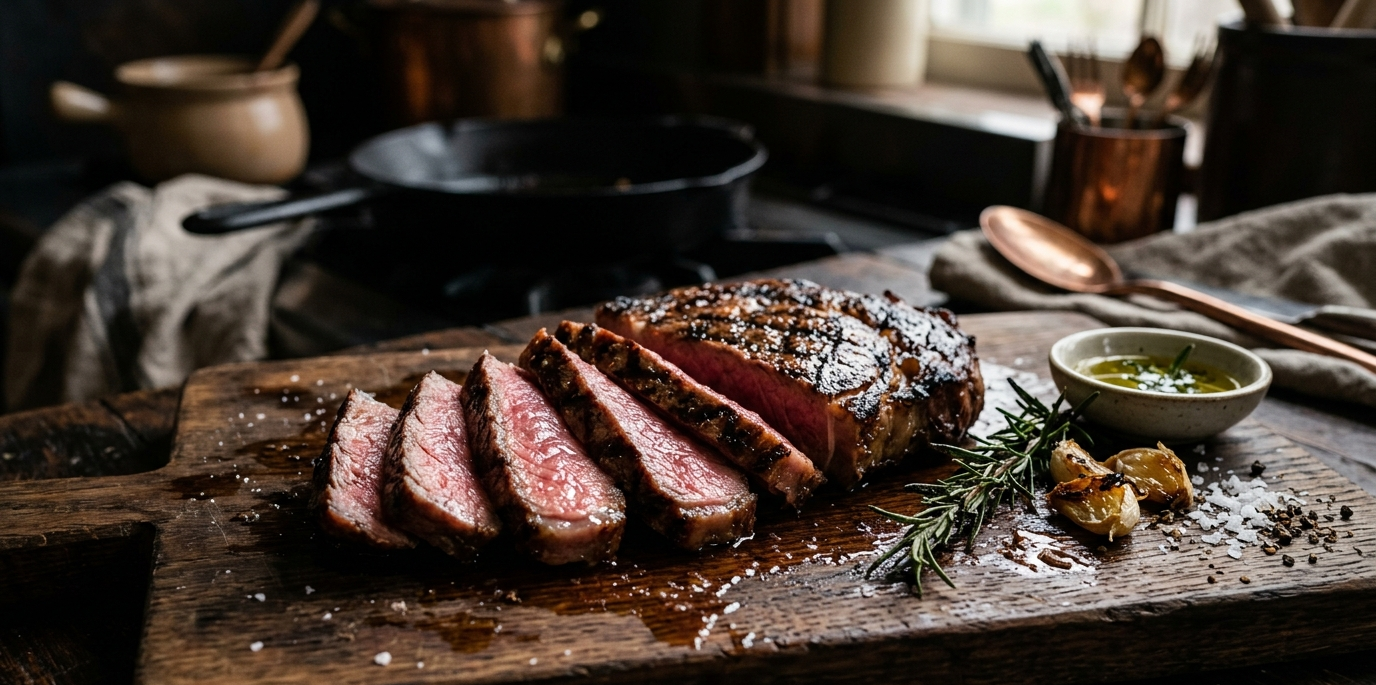
The term medium rare is one of the most widely used descriptions in steak cooking and restaurant menus. It refers to a specific level of doneness where the meat is cooked enough to be warm and flavorful while still maintaining a tender, juicy interior. A steak prepared medium rare typically has a browned exterior crust and a warm red or deep pink center that remains moist and soft. This balance between seared outside and juicy inside is what many chefs consider the ideal steak experience.
From a culinary perspective, medium rare is not simply about appearance but about temperature. The internal temperature of a medium-rare steak generally ranges between 130°F and 135°F (54–57°C). At this stage, the steak is heated enough to melt some of the fat and develop flavor while still preserving the natural moisture inside the meat.
Because of its balance of tenderness, flavor, and juiciness, medium rare has become the most recommended doneness level in steakhouses around the world. Many professional chefs encourage diners to order steak this way so they can experience the full taste and texture of high-quality beef.
The History of Cooking Steak Medium Rare
The tradition of cooking steak to medium rare dates back several centuries. Historical records suggest that during the 17th and 18th centuries in Europe, particularly in France and England, steak was often cooked only partially through to preserve tenderness and flavor. At that time, beef was considered a luxury food, and cooking it medium rare allowed diners to fully appreciate the quality of the meat.
As culinary traditions spread across Europe and later to North America, the preference for medium-rare steak became common in restaurants and professional kitchens. French culinary influence, which emphasized precise cooking techniques and respect for ingredients, played a major role in establishing medium rare as the ideal doneness level.
Over time, steakhouses and culinary schools began standardizing steak doneness levels based on internal temperature. This scientific approach helped chefs consistently reproduce the perfect steak texture and flavor. Today, medium rare remains a gold standard in fine dining and professional cooking.
Internal Temperature and Doneness Science
The doneness of steak is determined primarily by its internal temperature rather than cooking time. Different levels of doneness correspond to different temperature ranges, which affect the meat’s color, texture, and moisture content. Medium rare occurs when the steak reaches roughly 130–135°F, creating a warm red center with a tender texture.
At this temperature range, the muscle proteins in the meat begin to tighten slightly but not enough to push out most of the moisture. As a result, the steak remains juicy and soft. If the temperature rises higher, the muscle fibers contract further and release more liquid, which can make the steak drier and firmer.
Another important factor in cooking steak is carryover cooking. When steak is removed from heat, the internal temperature continues to rise slightly as heat distributes through the meat. Because of this, chefs often remove steak from the grill or pan when it is about five degrees below the final target temperature to prevent overcooking.
Appearance and Texture of a Medium Rare Steak
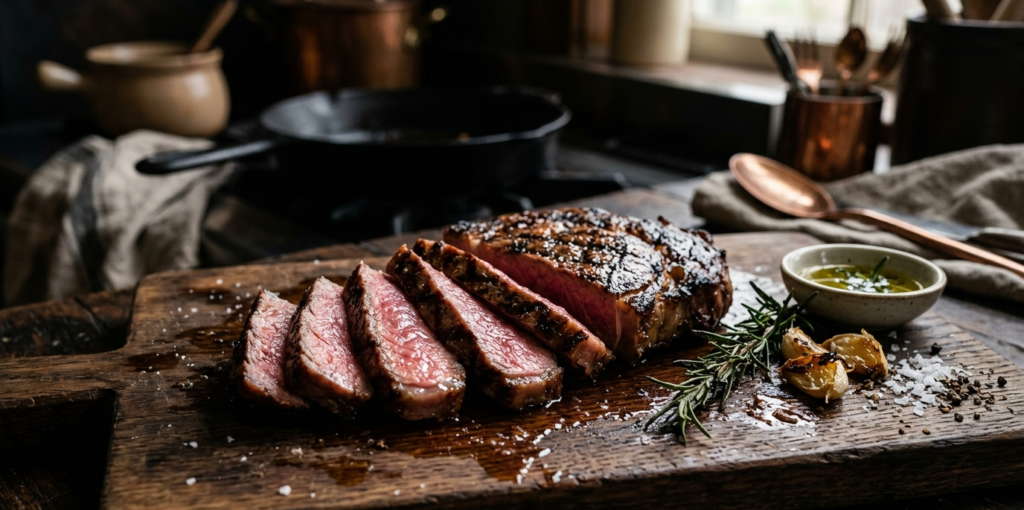
A medium-rare steak has a distinctive look that steak lovers immediately recognize. When sliced, the center displays a rich red or deep pink color surrounded by a thin layer of slightly browned meat near the edges. The outer surface is usually dark brown and caramelized from high-heat cooking.
The texture of medium rare steak is another defining feature. It is soft and tender, offering only slight resistance when pressed with a fork or finger. This softness occurs because the muscle fibers have not fully tightened, allowing the meat to retain its natural juices.
Flavor also plays a major role in why medium rare is so popular. The browned crust provides a savory, caramelized taste, while the juicy interior delivers rich beef flavor. This combination creates a balanced eating experience that many consider superior to steaks cooked at higher temperatures.
Why Chefs Recommend Medium Rare
Professional chefs often recommend medium rare because it showcases the natural qualities of the meat. High-quality beef contains marbling, which refers to small streaks of fat within the muscle. When steak is cooked to medium rare, this fat begins to melt, enhancing flavor and juiciness without drying out the meat.
Another reason chefs prefer this doneness level is that it highlights the unique characteristics of each cut of beef. Premium cuts like ribeye, strip steak, and filet mignon contain varying amounts of fat and tenderness. Cooking them medium rare ensures that these qualities remain intact.
Medium rare also allows diners to experience the full flavor of the beef itself rather than the taste of overcooked meat. When steak is cooked too long, much of the moisture and natural flavor disappears. By keeping the internal temperature lower, chefs maintain both texture and taste.
Cooking Techniques for Achieving Medium Rare
Achieving a perfect medium-rare steak requires proper cooking techniques and attention to heat. Several methods can produce excellent results, including grilling, pan-searing, broiling, and sous vide cooking. Each technique focuses on controlling temperature so the steak reaches the desired internal range without overcooking.
Grilling is one of the most traditional methods. High heat from the grill quickly sears the outside of the steak, creating a flavorful crust while keeping the inside tender. Typically, a steak cooked over high heat for a few minutes on each side can reach the medium-rare temperature range.
Pan-searing is another popular technique used by professional chefs. In this method, steak is cooked in a hot skillet with oil or butter. The intense heat produces a rich crust while allowing precise control over cooking time. Some chefs finish the steak in the oven after searing to ensure even cooking.
The Role of Resting After Cooking
Resting is an essential step in steak preparation that many home cooks overlook. When steak is removed from the heat, the juices inside the meat are concentrated toward the center. Allowing the steak to rest for several minutes lets these juices redistribute throughout the meat.
During the resting period, the internal temperature continues to rise slightly due to carryover cooking. This process helps the steak finish cooking gently without being exposed to additional heat. Experts often recommend resting steak for about five to ten minutes before slicing.
If the steak is cut immediately after cooking, much of the juice can spill out onto the plate rather than staying inside the meat. Proper resting ensures that each bite remains flavorful, tender, and moist.
Common Mistakes When Cooking Medium Rare
Although medium rare is considered the ideal doneness for many steaks, achieving it consistently can be challenging. One common mistake is relying only on cooking time instead of checking the internal temperature. Since steak thickness and heat levels vary, time alone cannot guarantee the correct doneness.
Another mistake is overcooking the steak due to fear of undercooked meat. Many home cooks leave the steak on the heat longer than necessary, which causes the internal temperature to rise above the medium-rare range. Even a small increase in temperature can noticeably change the texture of the meat.
Failing to use proper tools is also a frequent problem. A digital meat thermometer provides accurate readings and helps eliminate guesswork. By measuring the internal temperature directly, cooks can ensure the steak reaches the ideal doneness every time.
Choosing the Best Cuts for Medium Rare Cooking
Not all cuts of beef respond the same way to cooking, but many of the most popular steaks perform best at medium rare. Cuts with good marbling and natural tenderness tend to deliver the best results when cooked to this temperature range.
Ribeye steak is a favorite choice because its marbling melts during cooking, creating a juicy and flavorful texture. New York strip steak also works well at medium rare, offering a balance of tenderness and rich beef flavor. Filet mignon, known for its exceptional softness, is another excellent option.
Selecting high-quality beef is equally important. Fresh steaks with good marbling and proper thickness cook more evenly and develop better flavor. When paired with correct cooking techniques and temperature control, these cuts produce the classic medium-rare steak experience.
Why Medium Rare Remains the Gold Standard
Medium rare has remained the preferred steak doneness for generations because it offers the perfect balance of tenderness, juiciness, and flavor. Cooking steak within the 130–135°F temperature range allows the meat to retain its natural moisture while developing a rich, caramelized crust on the outside.
For steak enthusiasts, this doneness level highlights the true quality of the beef. Instead of masking flavor through excessive cooking, medium rare preserves the natural taste and texture of the meat. This approach aligns with professional culinary principles that emphasize respect for high-quality ingredients.
Ultimately, mastering medium-rare steak cooking requires understanding temperature, timing, and technique. By using proper tools, allowing the steak to rest, and paying attention to heat control, anyone can create a steak that rivals the quality found in top restaurants. Medium rare is not just a cooking level—it represents the art of preparing steak at its finest.
READ MORE: NEWS BLOGS
