



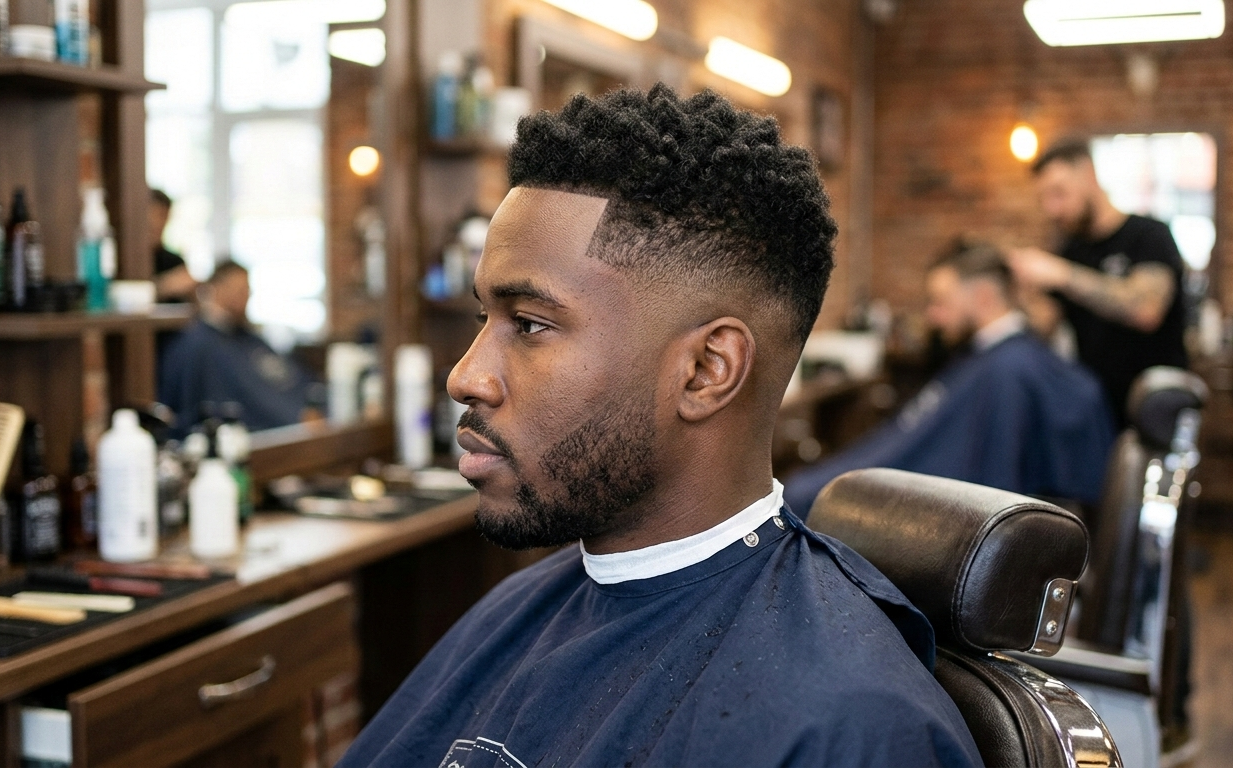
A taper fade haircut is a modern men’s hairstyle that gradually reduces hair length from the top of the head down to the neckline and around the ears. The word “taper fade haircut” refers to the smooth shortening of hair, while “fade” describes the seamless blending effect that creates a clean transition between different lengths. When done correctly, the taper fade produces a sharp yet natural look without harsh lines or uneven patches. This haircut is widely requested in barbershops because it combines classic grooming with a contemporary edge.
The defining feature of a taper fade haircut is its subtle graduation. Instead of cutting the sides to one uniform length, barbers use clippers with different guard sizes to blend the hair progressively shorter toward the bottom. The result is a clean silhouette that enhances the shape of the head and face. This hairstyle works well in both professional and casual environments, making it one of the most versatile haircuts for men today.
In recent years, the taper fade haircut has become increasingly popular among men of all ages. From students to professionals and athletes, many prefer this style because it looks polished without requiring complicated daily styling. The ability to customize the fade height and top length has made it a staple in modern grooming trends.
The History and Evolution of the Taper Fade
The origins of the taper fade haircut can be traced back to traditional barbershops in the early to mid-20th century. During that period, clean and structured haircuts were associated with discipline and neatness. Military haircuts often featured tapered sides and short backs, which influenced civilian grooming styles. Over time, barbers refined these techniques, improving blending methods and clipper technology to achieve smoother fades.
As grooming culture evolved, especially in urban communities, the taper fade haircut became a symbol of style and individuality. Barbers began experimenting with different fade levels, sharper edges, and creative designs. The taper fade emerged as a balanced option between a full fade and a traditional taper, offering both precision and flexibility. By the late 1990s and early 2000s, it had gained mainstream popularity worldwide.
Today, the taper fade haircut continues to evolve. Modern barbers combine it with textured crops, pompadours, curly tops, and even longer hairstyles. Social media platforms have also contributed to its growth, as clients can easily share fresh cuts and inspire new trends. Despite changing fashions, the core concept of a gradual, blended finish remains unchanged.
Different Types of Taper Fade Haircuts
There are several variations of the taper fade haircut, each defined by where the fade begins and how dramatic the transition appears. The low taper fade haircut starts just above the ears and neckline. This version offers a subtle and conservative appearance, making it suitable for office settings and formal occasions. It provides a clean outline without drawing too much attention to the sides.
The mid taper fade begins higher on the head, typically around the temple area. This style creates a noticeable contrast between the longer top and shorter sides while maintaining a balanced look. It is one of the most requested variations because it complements many face shapes and hairstyles. The mid taper fade works particularly well with textured hair and moderate volume on top.
The high taper fade starts closer to the crown, producing a bold and modern finish. This variation emphasizes the upper portion of the hairstyle and creates strong visual contrast. It is often paired with dramatic top styles such as quiffs, spiky hair, or curly volume. Choosing the right fade height depends on personal preference, lifestyle, and desired level of contrast.
Taper Fade for Different Hair Types
One of the strongest advantages of the taper fade haircut is its adaptability to various hair types. For straight hair, the fade enhances the clean lines and sharp edges of the style. It creates a smooth finish that pairs well with side parts, slick backs, and comb-overs. Straight hair allows the blending process to appear especially crisp and defined.
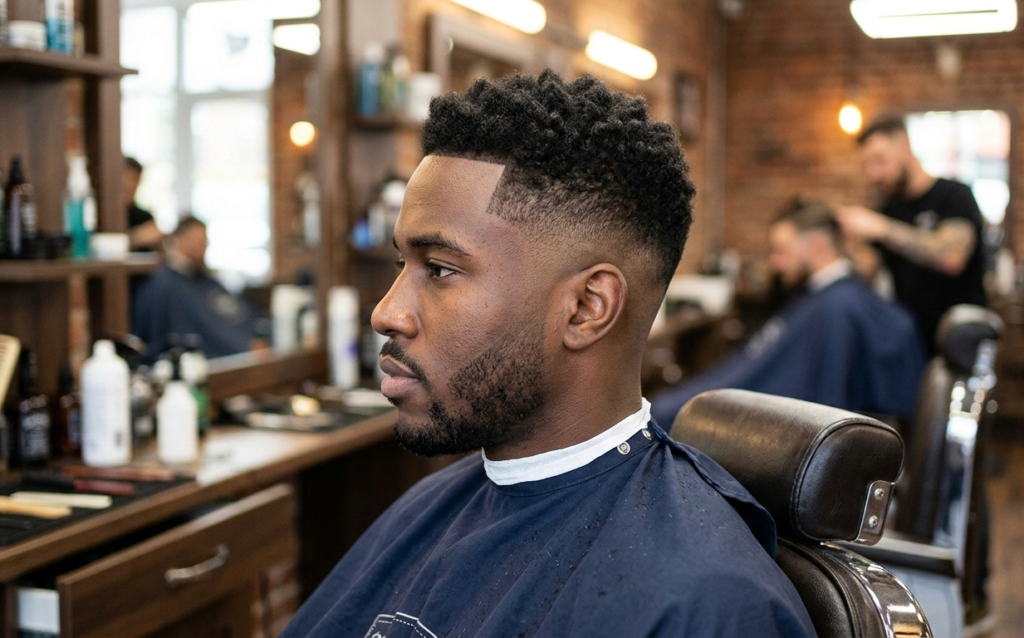
For wavy or curly hair, a taper fade helps control bulk around the sides while allowing natural texture to stand out on top. This creates a balanced look where curls appear intentional rather than overwhelming. Many men with thick or coarse hair prefer this style because it reduces weight and improves manageability without sacrificing character.
Even men with fine or thinning hair can benefit from a taper fade. By keeping the sides shorter and leaving controlled length on top, the haircut creates the illusion of fuller volume. Proper blending can make hair appear denser and more structured. A skilled barber understands how to adjust clipper techniques based on hair growth patterns to achieve the best possible outcome.
Choosing the Right Taper Fade for Your Face Shape
Face shape plays an important role in determining the most flattering taper fade haircut. Men with oval faces are generally able to experiment with any fade variation because their proportions are naturally balanced. Both low and high taper fades can complement this face shape without disrupting symmetry.
For round faces, a mid or high taper fade is often recommended. Starting the fade slightly higher creates vertical definition, making the face appear longer and slimmer. Adding volume on top further enhances this effect. A very low fade may not provide enough contrast to elongate the facial structure.
Men with square faces benefit from softer transitions. A mid taper fade combined with textured styling can balance strong jawlines. Those with heart-shaped or longer faces may prefer a moderate fade that does not remove too much width from the sides. Ultimately, consulting an experienced barber ensures the fade complements natural features rather than overpowering them.
Styling Options with a Taper Fade
The taper fade haircut serves as a foundation for many modern hairstyles. One popular option is the textured crop, where the top is cut with choppy layers to create movement. When paired with faded sides, this style looks sharp and contemporary. Another common choice is the pompadour, which features volume swept upward and backward, contrasting beautifully with tapered edges.
A classic side part also pairs well with a taper fade. The clean blend on the sides enhances the defined parting line and gives the hairstyle a professional finish. For men who prefer a relaxed look, a messy quiff or natural waves can be styled using lightweight products. The fade keeps the overall shape controlled even when the top is intentionally tousled.
Hair products play an important role in styling. Matte pomades, styling creams, and light waxes help shape the top without making hair appear greasy. Blow-drying can add volume, while sea salt spray enhances natural texture. The flexibility of the taper fade allows individuals to change their styling approach without altering the core haircut.
Maintenance and Grooming Tips
Maintaining a taper fade haircut requires regular attention. Because the fade relies on precise blending, it tends to lose its sharpness as hair grows. Most professionals recommend visiting a barber every two to three weeks to maintain clean lines and a consistent fade gradient. Delaying trims can cause the transition to look less defined.
At home, proper hair care ensures the style remains fresh. Washing hair regularly with a quality shampoo prevents product buildup. Conditioning helps maintain scalp health, especially when sides are closely cut. Keeping sideburns and the neckline tidy between barber visits can extend the polished appearance.
Investing in professional grooming tools, such as a trimmer for minor touch-ups, can also be helpful. However, attempting to recreate the fade at home without experience may result in uneven blending. Precision is key, and skilled barbers use specific clipper techniques to maintain symmetry and smooth transitions.
Why the Taper Fade Remains Popular
The taper fade haircut remains one of the most requested styles because it offers versatility, structure, and modern appeal. It adapts easily to different hair textures, face shapes, and fashion preferences. Whether someone prefers a conservative look or a bold statement, the taper fade can be customized accordingly.
Another reason for its popularity is its balance between low maintenance and high impact. While it requires periodic trims, daily styling can be simple and quick. The fade itself provides a clean framework that makes almost any top style look intentional and refined. This combination appeals to men who want style without excessive effort.
As grooming standards continue to evolve, the taper fade stands out as a timeless yet trendy option. Its ability to evolve with new techniques and fashion influences ensures it will remain a cornerstone of men’s hairstyling. For anyone seeking a polished, adaptable, and modern haircut, the taper fade remains a reliable and stylish choice.
READ MORE: NEWS BLOGS
