



The world of sportfishing boats is filled with impressive vessels, but few names carry the same reputation as Viking Yachts. Known for craftsmanship, performance, and long-term durability, the brand has become a symbol of premium boating. From professional anglers to luxury travelers, many enthusiasts consider these boats among the most reliable offshore machines available today.
This article explores the history, design philosophy, performance features, and reasons why these vessels remain highly respected across the global marine industry.
A Heritage Built on Craftsmanship
Founded in New Jersey in 1964, the company began as a small boatbuilding operation focused on quality over mass production. Over decades, it grew into one of the most influential manufacturers in the sportfishing category.
Unlike many builders who outsource parts, the company produces most components in-house. This approach allows strict quality control and consistent finishing standards. Owners often praise the long lifespan of their viking yachts, with some models still operating smoothly after decades of use.
Design Philosophy and Engineering
Every model is engineered with a clear balance between luxury comfort and offshore capability. The hull shape is carefully designed to cut through rough seas while maintaining stability at high speeds.
Key design priorities include:
- Strong fiberglass construction
- Balanced weight distribution
- Reduced vibration and noise
- Comfortable interior layouts
The result is a vessel that performs confidently in open water yet feels refined inside.
Performance on the Open Ocean
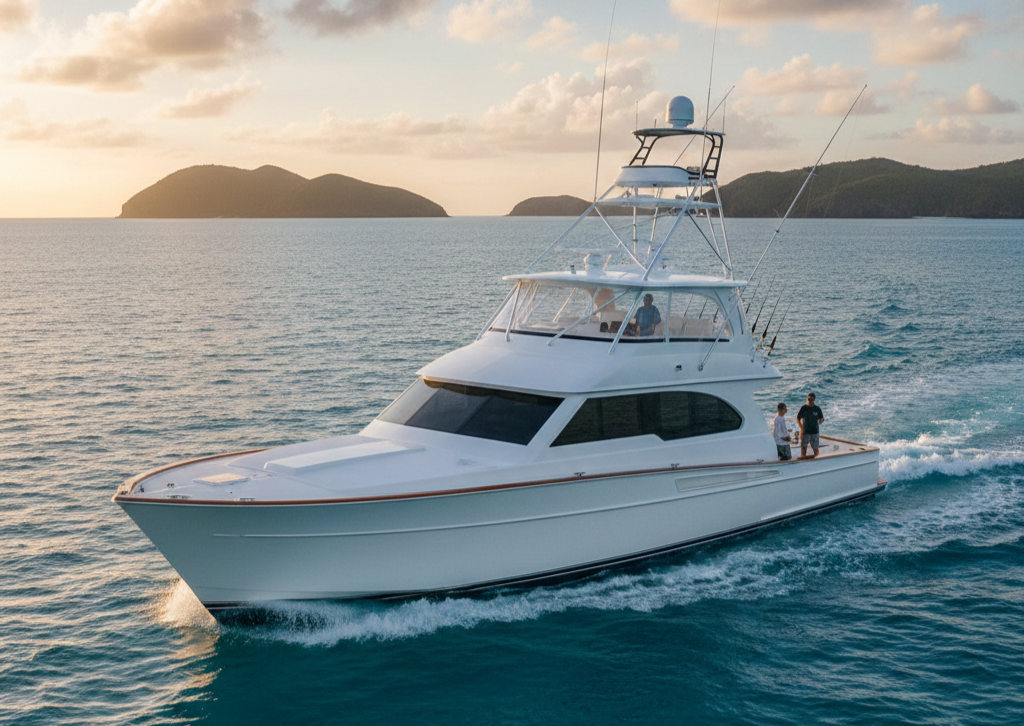
Speed and reliability are essential for long offshore trips. These viking yachts are built to travel far from shore while maintaining fuel efficiency and control. Advanced propulsion systems help captains navigate challenging conditions safely.
Many owners choose them for deep-sea fishing tournaments because the viking yachts can handle large waves without sacrificing maneuverability. The steering response remains predictable even during sharp turns.
Features often include:
- High horsepower diesel engines
- Advanced navigation electronics
- Stabilization systems for smoother rides
- Large fuel capacity for extended journeys
Interior Comfort and Luxury
While performance is critical, interior comfort plays an equally important role. Cabins are designed with premium materials such as hardwood finishes, leather seating, and modern lighting.
Typical interior spaces may include:
- Fully equipped kitchens
- Spacious sleeping quarters
- Climate control systems
- Entertainment areas
This combination allows owners to enjoy extended trips without feeling confined. Many families use the vessel not only for fishing but also for multi-day leisure cruising.
Popular Models and Sizes
The manufacturer produces a wide range of yachts suited for different needs. Smaller models appeal to weekend anglers, while larger vessels serve long-distance travelers and charter businesses.
Sizes typically range from around 38 feet to over 90 feet in length. Larger models provide additional storage, crew cabins, and luxury amenities similar to floating homes.
Maintenance and Long-Term Value
One major reason for the brand’s strong reputation is durability. With proper maintenance, these viking yachts maintain performance and resale value for many years. The company also offers support networks and replacement parts availability, which reassures owners investing in a premium vessel.
Because of their reputation, pre-owned units often remain in demand, making them attractive not only for recreation but also as long-term assets.
Why Boating Enthusiasts Prefer Them
Boaters often choose this brand for a combination of reasons:
- Trusted reliability offshore
- Comfortable long-distance travel
- Excellent resale value
- Strong brand heritage
The blend of sport capability and luxury lifestyle makes the boats versatile compared to many competitors.Technology and Innovation Onboard
Modern models from Viking Yachts integrate advanced marine technology to improve both safety and usability. Helm stations now resemble aircraft cockpits, combining multiple displays into a single easy-to-read command center.
Captains can monitor engine performance, weather data, depth readings, and navigation charts in real time. Digital switching systems allow lighting, pumps, and other onboard equipment to be controlled from a touchscreen panel. This reduces manual workload and lets operators focus more on steering and situational awareness.
Another important advancement is joystick docking. Even large vessels can be maneuvered smoothly into tight marina spaces with minimal effort. For new owners, this dramatically shortens the learning curve compared to traditional twin-throttle handling.
Fishing Capabilities and Deck Layout
These boats are especially popular among offshore anglers because of their carefully planned cockpit layout. Everything is positioned for efficiency during intense fishing moments.
Common deck features include:
- Large insulated fish boxes
- Live bait wells with circulation systems
- Rod holders placed around the cockpit
- Fighting chairs mounted centrally
- Easy access to tackle storage
The open working space allows crew members to move freely while handling lines. Drainage channels help keep the deck dry and safe even in rough conditions.
For tournament fishing, speed to the fishing grounds matters. Fast cruising capability combined with range means anglers can reach distant waters earlier than competitors.
Ownership Experience
Buying a viking yachts is more than purchasing a vehicle — it becomes part of a lifestyle. Owners often develop long relationships with their boats and the manufacturer’s support network. Service centers, training programs, and community events help newcomers learn maintenance and navigation skills.
Many families use their boats for weekend escapes, coastal exploration, and social gatherings. Overnight stays become comfortable thanks to private cabins and climate-controlled interiors. Over time, the vessel turns into a floating vacation home.
Environmental Considerations
Modern marine engineering increasingly focuses on fuel efficiency and reduced environmental impact. Improved hull shapes reduce drag, allowing engines to work less while maintaining speed. Some systems also monitor fuel consumption so captains can adjust cruising pace for efficiency.
Responsible boating practices — like proper waste management and careful anchoring — help protect marine ecosystems. Owners are encouraged to follow local guidelines to preserve oceans for future generations.
Choosing the Right Model
Selecting the ideal yacht depends on how it will be used. A smaller model may suit day trips and near-shore fishing, while larger options are better for extended offshore journeys. Buyers usually consider:
- Passenger capacity
- Travel distance
- Storage requirements
- Budget for operation and maintenance
Working with experienced dealers helps match needs with the correct size and layout.
Closing Perspective
The continued popularity of Viking yachts comes from consistency. Over decades, the brand has maintained a focus on strength, comfort, and performance rather than short-term trends. This reliability builds trust among captains and long-distance travelers alike.
For those passionate about the ocean, these vessels represent freedom — the ability to travel beyond the coastline with confidence. Combining modern technology with traditional craftsmanship, they remain a respected choice in luxury boating worldwide.
READ MORE: NEWS BLOGS
