



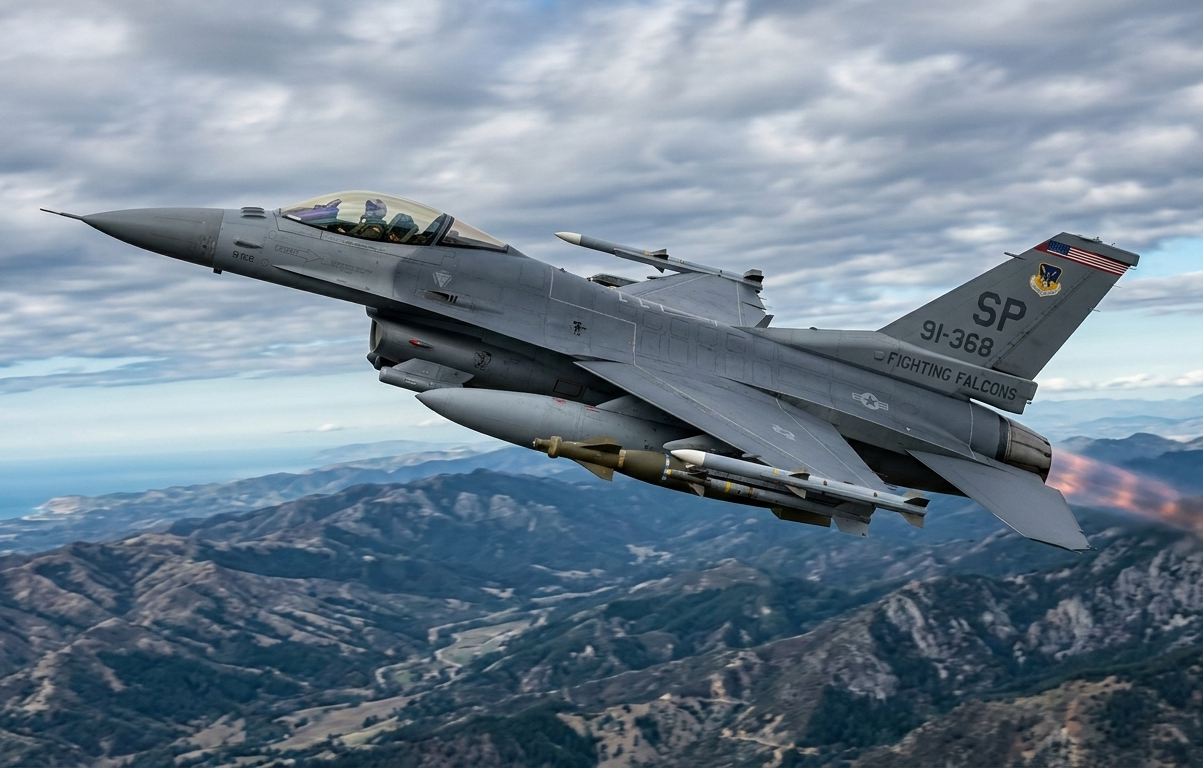
The f16 is one of the most recognizable and widely used multirole fighter aircraft in modern military aviation. Known for its speed, agility, and versatility, the aircraft has played a significant role in air forces around the world for decades. Developed during the Cold War era, it quickly became a symbol of advanced air combat technology and remains in service in many countries today.
Origins and Development
The F16, officially called the General Dynamics F-16 Fighting Falcon, was developed in the 1970s by General Dynamics for the United States Air Force. It was later produced by Lockheed Martin after the company acquired the program.
Initially designed as a lightweight day fighter, the aircraft evolved into a highly capable multirole platform. Its adaptability allowed it to perform air-to-air combat, ground attack missions, and reconnaissance operations. The combination of performance and affordability made it attractive to allied nations.
Design and Performance
One of the defining features of the f16 is its aerodynamic design. It uses a frameless bubble canopy, which provides pilots with exceptional visibility. The side-mounted control stick and fly-by-wire flight control system were revolutionary at the time of introduction, improving maneuverability and pilot control.
Key performance highlights include:
- Maximum speed exceeding Mach 2
- Advanced radar and targeting systems
- High thrust-to-weight ratio
- Capability to carry a wide range of weapons
The aircraft’s agility makes it highly effective in dogfights, while its advanced avionics enable precision strikes in complex environments.
Combat History
The f16 has seen action in numerous military operations worldwide. It has been used in air superiority missions, close air support, and precision bombing campaigns. Its operational record demonstrates reliability and adaptability in both conventional and asymmetric warfare scenarios.
Countries across Europe, the Middle East, Asia, and the Americas operate variations of the F16. Nations such as Turkey, Israel, South Korea, and many NATO members rely on it as a core component of their air defense systems.
Technological Advancements
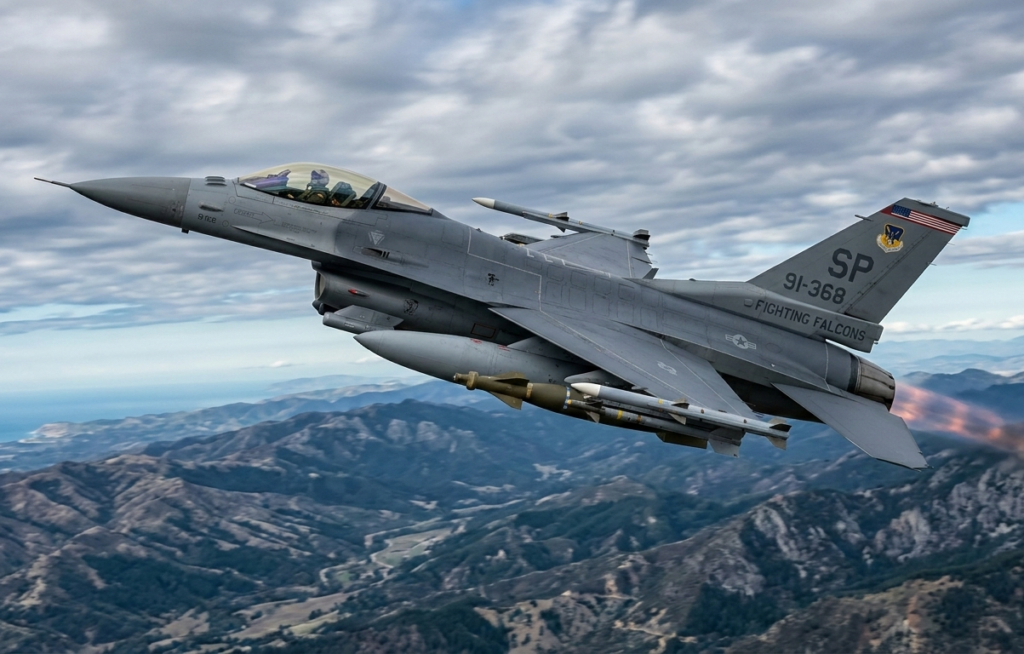
Over the years, the f16 has undergone multiple upgrades to remain competitive. Modern variants include improved radar systems, enhanced electronic warfare capabilities, and upgraded cockpit displays. The F-16V (Viper) configuration features an advanced Active Electronically Scanned Array (AESA) radar, which significantly boosts detection and targeting accuracy.
These updates ensure the aircraft remains relevant even as fifth-generation fighters like the Lockheed Martin F-35 Lightning II enter service.
Global Influence
The widespread adoption of the f16 has strengthened military partnerships between the United States and allied nations. Through foreign military sales programs, many countries have modernized their air forces using this aircraft.
Its global presence also contributes to joint training exercises and interoperability among allied air forces. Because so many nations operate the F16, pilots can train together effectively using similar platforms and tactics.
Cost and Efficiency
One of the reasons the f16 became so popular is its cost-effectiveness compared to other advanced fighter jets. While highly capable, it requires less maintenance and operational expense than heavier aircraft. This balance between performance and affordability makes it an appealing choice for many defense budgets.
Future Outlook
Although newer stealth aircraft are becoming more common, the f16 continues to receive modernization packages that extend its service life. Many experts believe it will remain active for decades due to its adaptability and proven track record.
Upgraded avionics, improved weapons systems, and structural enhancements ensure that the aircraft can meet evolving mission requirements.
Variants of the F16
Over the decades, the f16 has been produced in multiple blocks and configurations, each introducing technological improvements. Early production models focused primarily on air-to-air combat, while later versions expanded ground-attack capabilities and electronic warfare systems.
Some of the most recognized variants include:
- F-16A/B: Initial production models primarily used for air superiority missions.
- F-16C/D: Upgraded versions with improved radar, avionics, and weapons integration.
- F-16E/F Block 60: Advanced configuration developed for export customers with enhanced radar and engine performance.
- F-16V (Viper): The most modern upgrade package, featuring AESA radar, modern cockpit displays, and enhanced mission systems.
These variants demonstrate how the aircraft has evolved to meet modern battlefield requirements while maintaining its original agility and performance strengths.
Engine and Powerplant
The f16 is powered by a single turbofan engine, typically manufactured by either Pratt & Whitney or General Electric, depending on the variant. This engine design provides strong thrust while keeping the aircraft lightweight.
The high thrust-to-weight ratio allows for rapid acceleration and impressive climb rates. Combined with advanced aerodynamics, the aircraft can perform tight turns and high-G maneuvers essential in aerial combat situations.
Weapons and Payload Capacity
One of the most important aspects of the f16 is its flexibility in carrying various weapons. The aircraft features multiple hardpoints under its wings and fuselage, allowing it to carry:
- Air-to-air missiles
- Air-to-ground precision-guided bombs
- Anti-ship missiles
- Targeting pods
- External fuel tanks
This adaptability allows the aircraft to transition between missions, from air defense to close air support, within a short timeframe. Its compatibility with modern smart weapons enhances its precision strike capability.
Training and Pilot Experience
The f16 is also widely used for pilot training in advanced air combat tactics. Its responsive controls and fly-by-wire system offer pilots an intuitive flying experience. The bubble canopy design improves visibility, which is particularly beneficial during air-to-air engagements.
Many air forces use two-seat variants for training purposes, allowing instructors to guide new pilots during live-flight exercises. The aircraft’s relatively lower operational cost compared to heavier fighters makes it suitable for extensive training programs.
Strategic Importance Today
Even with the introduction of newer stealth fighters, the f16 remains strategically important. Many countries continue to invest in upgrades rather than replacing their fleets entirely. Modernized systems allow it to integrate into network-centric warfare environments, sharing data with other aircraft and ground units in real time.
Its proven reliability, availability of spare parts, and global support network make it a dependable choice for nations seeking capable air defense without the expense of next-generation platforms.
Operational Role in Modern Conflicts
The f16 continues to play an active role in modern military operations across different regions. Its multirole capability allows it to shift between air defense patrols, precision strike missions, and reconnaissance assignments depending on operational needs.
In contemporary conflicts, the aircraft is often equipped with advanced targeting pods and smart munitions, enabling accurate engagement with minimal collateral damage. Its ability to operate in both day and night conditions enhances mission flexibility. Additionally, upgraded communication systems allow it to coordinate seamlessly with ground forces and allied aircraft.
Because many nations operate the F16, it frequently participates in joint exercises under alliances such as NATO. This interoperability strengthens cooperative defense strategies and ensures standardized training among partner air forces.
Maintenance and Longevity
One reason the f16 has remained in service for decades is its durable airframe and upgrade-friendly design. Engineers built the aircraft with long-term adaptability in mind, allowing structural improvements and avionics updates over time.
Service life extension programs (SLEPs) have reinforced airframes to extend operational hours well beyond original expectations. This approach enables countries to maintain capable fleets without the immediate need for full replacement. Regular software and radar upgrades keep the aircraft competitive in evolving threat environments.
Comparison with New-Generation Fighters
While newer stealth aircraft like the F-22 Raptor and the Lockheed Martin F-35 Lightning II offer advanced stealth and sensor fusion capabilities, the f16 remains highly effective for many mission types.
The key difference lies in cost and operational philosophy. Fifth-generation fighters emphasize stealth and advanced networking, while the F16 provides a proven and cost-efficient solution with continuous modernization. For many nations, maintaining a balanced fleet that includes upgraded F16s ensures readiness without overwhelming defense budgets.
Economic and Industrial Impact
The production and export of the f16 have had significant economic implications. Aerospace manufacturing programs support thousands of jobs, from engineering and assembly to logistics and maintenance. Export agreements often include training, technology transfer, and long-term service contracts, strengthening diplomatic and economic relationships between nations.
Defense partnerships built around the aircraft frequently extend beyond aviation, fostering broader strategic cooperation.
The Future of the F16
Looking ahead, the f16 is expected to remain active in many air forces well into the 2030s and beyond. Continuous upgrades such as improved radar systems, enhanced electronic warfare capabilities, and integration of new missile technologies ensure its ongoing relevance.
The F-16V configuration represents the most advanced evolution of the platform, incorporating modern avionics that align with current battlefield requirements. As defense strategies evolve, the aircraft’s flexibility and upgrade potential position it as a long-term asset rather than a legacy system nearing retirement.
Conclusion
The f16 has built an enduring legacy as one of the most successful multirole fighter jets ever developed. From its introduction during the Cold War to its ongoing modernization programs, it has consistently delivered speed, agility, and mission versatility.
With global adoption, strong operational history, and continued technological improvements, the aircraft remains a cornerstone of modern air power. Its balance of performance, cost-efficiency, and adaptability ensures that it will continue to shape aerial defense strategies for years to come.
READ MORE: NEWS BLOGS
