



Introduction
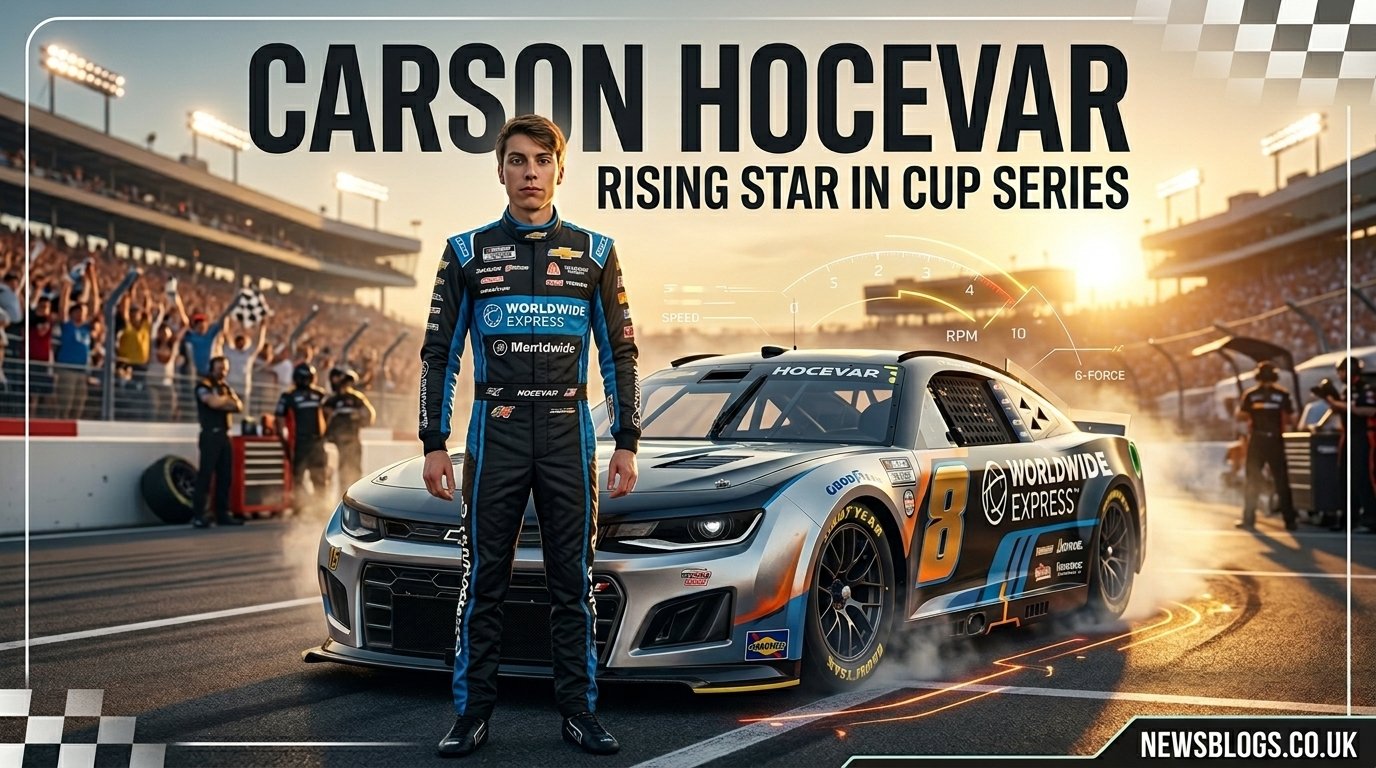
Carson Hocevar has emerged as one of the most exciting young talents in modern NASCAR. Known for his aggressive racing style, fearless attitude, and determination to compete against the sport’s biggest names, Hocevar represents a new generation of drivers who are shaping the future of stock car racing. Over the past few years, he has transformed from a promising short-track racer into a recognized NASCAR Cup Series competitor, attracting attention from fans, sponsors, racing analysts, and industry insiders.
The rise of Carson Hocevar has been anything but ordinary. His journey includes years of hard work on local racing circuits, breakthrough performances in developmental series, memorable victories in the NASCAR Craftsman Truck Series, and impressive growth at the highest level of American motorsports. Along the way, he has overcome injuries, setbacks, criticism, and the intense pressure that comes with being viewed as one of NASCAR’s future stars.
As NASCAR continues to evolve, younger drivers are becoming increasingly important to the sport’s popularity and long-term success. Carson Hocevar stands at the center of this movement. His combination of natural talent, racing intelligence, competitive fire, and willingness to take risks has made him one of the most talked-about names in motorsports. Understanding his story provides valuable insight into where NASCAR is heading and why so many experts believe Hocevar could become one of the sport’s biggest stars in the coming years.
Early Life and Racing Background
Born on January 28, 2003, in Portage, Michigan, Carson Hocevar developed a passion for racing at a very young age. Like many successful NASCAR drivers, he grew up immersed in motorsports culture and quickly became fascinated by speed, competition, and race cars. His early experiences around racetracks helped fuel a dream that would eventually lead him to NASCAR’s national stage.
Hocevar began racing in quarter midgets, where he learned the fundamentals of racecraft, vehicle control, and competitive driving. These early years were crucial in developing the instincts that would later define his professional racing career. Even as a child, he displayed confidence behind the wheel and a natural ability to compete against older and more experienced racers.
As he advanced through youth racing categories, Hocevar consistently demonstrated exceptional speed and determination. His performances in local and regional competitions attracted attention from racing teams and industry observers who recognized his potential. By the time he reached his teenage years, he was already considered one of the most promising young drivers in Michigan’s racing community.
The transition from grassroots racing to professional motorsports requires both talent and dedication. Hocevar possessed both qualities in abundance. His willingness to spend countless hours improving his skills, studying race strategy, and learning from experienced competitors helped accelerate his development. These formative years established the foundation that would support his future success in NASCAR.
Building a Reputation in Late Model Racing
Before reaching NASCAR’s national series, Carson Hocevar gained valuable experience competing in late model racing. This level of competition is often considered one of the most important developmental stages for aspiring stock car drivers because it teaches advanced racing techniques while exposing competitors to increasingly challenging fields.
Hocevar quickly built a reputation as a fearless racer capable of competing for victories against experienced veterans. His aggressive style and ability to adapt to changing track conditions helped him earn numerous strong finishes. Unlike some young drivers who struggle when facing tougher competition, Hocevar embraced the challenge and continued improving his performance.
Late model racing also taught him the importance of race management and consistency. Winning races requires more than raw speed; drivers must understand tire conservation, setup adjustments, and strategic decision-making. These lessons would later prove invaluable as he progressed through NASCAR’s developmental ladder.
The experience gained during this period played a significant role in shaping his driving philosophy. He learned how to balance aggression with patience while maintaining the competitive edge that made him successful. Those qualities became defining characteristics of his racing career.
Entering NASCAR and Making an Immediate Impact
Carson Hocevar’s entry into NASCAR marked the beginning of a new chapter in his career. Competing against some of the nation’s best young drivers, he faced a steep learning curve but quickly demonstrated that he belonged at the professional level.
His early NASCAR appearances showcased his adaptability and confidence. Despite limited experience compared to some competitors, Hocevar consistently delivered strong performances and showed an ability to learn quickly. Team owners and crew chiefs recognized his potential almost immediately.
One of the most impressive aspects of his early NASCAR career was his maturity. Young drivers often struggle with the increased pressure and expectations that come with national competition. Hocevar, however, appeared comfortable under the spotlight. His confidence and determination allowed him to remain competitive even when facing difficult circumstances.
As his experience grew, so did his reputation. Fans began following his progress closely, while industry analysts identified him as a future star. The combination of speed, work ethic, and natural talent positioned him as one of NASCAR’s most promising prospects.

Success in the NASCAR Craftsman Truck Series
The NASCAR Craftsman Truck Series served as the platform where Carson Hocevar truly established himself as a rising star. Competing against a deep field of talented drivers, he consistently demonstrated the speed and skill necessary to contend for victories.
Throughout his Truck Series career, Hocevar became known for his aggressive driving style and ability to maximize performance under pressure. Whether racing on short tracks, intermediate speedways, superspeedways, or road courses, he frequently found himself competing near the front of the field.
Victories in the Truck Series validated his potential and confirmed that he possessed the ability to win at the national level. Winning races in NASCAR requires a combination of driver skill, team execution, strategy, and mental toughness. Hocevar repeatedly showed he could deliver when opportunities presented themselves.
Beyond race wins, he developed a reputation for consistency and resilience. Even when facing mechanical issues, accidents, or challenging circumstances, he continued fighting for strong results. This determination earned respect from competitors, team personnel, and fans alike.
His success in the Truck Series ultimately positioned him for advancement to NASCAR’s highest level. By proving he could compete with elite young talent, Hocevar demonstrated that he was ready for the challenges of Cup Series competition.
Overcoming Adversity and Injury
Every successful athlete faces obstacles, and Carson Hocevar’s journey has included significant adversity. One of the most notable challenges occurred when he suffered injuries that threatened to disrupt his racing career. For many young drivers, such setbacks can derail momentum and create uncertainty about the future.
Instead of allowing injuries to define him, carson hocevar responded with determination and resilience. His commitment to recovery reflected the same competitive mindset that had fueled his success on the racetrack. Through rehabilitation and hard work, he returned to competition while maintaining a high level of performance.
These experiences helped strengthen his mental toughness. Professional motorsports demand not only physical skill but also emotional resilience. Drivers must remain focused despite setbacks, criticism, and pressure. Hocevar’s ability to overcome adversity demonstrated a maturity that exceeded his years.
The lessons learned during these difficult periods contributed significantly to his development as both a driver and a person. Facing challenges often reveals character, and Hocevar consistently showed an ability to persevere when circumstances became difficult.
Transition to the NASCAR Cup Series
Moving to the NASCAR Cup Series represents a major milestone for any driver. The Cup Series features the highest level of competition in stock car racing, with experienced veterans, championship contenders, and some of the best teams in motorsports.
For Carson Hocevar, the transition brought new challenges and opportunities. Racing against elite drivers requires continuous learning and adaptation. Every race weekend presents unique situations that test a driver’s skill, decision-making, and consistency.
Although the learning curve was steep, Hocevar quickly demonstrated flashes of his potential. Strong qualifying performances, competitive race pace, and impressive finishes showed that he could compete at NASCAR’s highest level. These early successes reinforced confidence in his long-term prospects.
The Cup Series environment also accelerated his development. Competing against championship-winning drivers provided valuable lessons that could not be learned elsewhere. Each race added experience and contributed to his growth as a professional racer.
As he gained confidence and familiarity with the Next Gen car, Hocevar continued improving his performance. The progress he demonstrated suggested that his best years remain ahead.
The Importance of Spire Motorsports in His Career
A key factor in Carson Hocevar’s rise has been his relationship with Spire Motorsports. The organization provided him with an opportunity to showcase his abilities on NASCAR’s biggest stage while continuing his development as a driver.
Spire Motorsports viewed Hocevar as a long-term investment and central figure in the team’s future. Their commitment to supporting young talent created an environment where he could learn, grow, and gain valuable experience. This partnership proved beneficial for both the driver and the organization.
Working closely with engineers, crew chiefs, and team leadership allowed Hocevar to refine his skills and improve his understanding of race strategy. Modern NASCAR success depends heavily on collaboration, and his ability to work effectively within a team environment contributed to his progress.
As Spire Motorsports became increasingly competitive, Hocevar’s performances helped elevate the team’s profile. Together, they established themselves as an emerging force capable of challenging more established organizations.
Driving Style and Competitive Personality
Carson Hocevar’s driving style is one of the primary reasons fans enjoy watching him compete. He races aggressively, attacks opportunities decisively, and rarely backs down from competition. This approach creates excitement and often places him at the center of memorable racing moments.
Aggression alone does not guarantee success, however. Hocevar combines his fearless attitude with strong racecraft and an understanding of vehicle dynamics. He knows when to push hard and when to exercise patience, a balance that continues improving as he gains experience.
His competitive personality extends beyond the racetrack. Hocevar approaches racing with passion and intensity, qualities that resonate with fans who appreciate authenticity. While this mindset has occasionally generated controversy, it has also helped distinguish him from many of his peers.
Throughout NASCAR history, some of the sport’s biggest stars have possessed strong personalities and a willingness to challenge expectations. Hocevar appears to follow that tradition, bringing energy and excitement to every race weekend.
Future Expectations and Long-Term Potential
The future looks exceptionally bright for Carson Hocevar. Many analysts believe he possesses the talent necessary to become a race winner, playoff contender, and potentially even a championship challenger in the NASCAR Cup Series carson hocevar.
Several factors support these expectations. He has already demonstrated speed across multiple track types, adapted successfully to higher levels of competition, and shown resilience in the face of adversity. Few young drivers possess such a complete combination of skills and experience.
As he continues gaining Cup Series experience, his understanding of race strategy, tire management, and vehicle setup will likely improve further. These areas often separate good drivers from great ones. Continued development could transform Hocevar into one of NASCAR’s premier competitors.
The support of sponsors, manufacturers, and team leadership also enhances his long-term outlook. Strong organizational backing provides resources and stability that are essential for sustained success in modern motorsports.
With age on his side and valuable experience already accumulated, Hocevar remains one of the most intriguing young drivers in professional racing. His trajectory suggests that significant accomplishments may still lie ahead.
Conclusion
Carson Hocevar’s journey from Michigan short tracks to the NASCAR Cup Series represents a remarkable story of talent, perseverance, and ambition. Through years of dedication, he transformed himself from a promising young racer into one of the most exciting prospects in American motorsports. His success in late model racing, breakthrough performances in the NASCAR Craftsman Truck Series, and continued growth in the Cup Series have established him as a driver worth watching.
What makes Hocevar particularly compelling is the combination of skill and personality he brings to the sport. He races with confidence, embraces challenges, and consistently demonstrates a desire to improve. Whether overcoming injuries, adapting to new competition levels, or handling the pressures of professional racing, he has shown the resilience necessary for long-term success.
As NASCAR enters a new era driven by emerging talent, Carson Hocevar stands among the most promising representatives of the sport’s future. His career remains in its early stages, but the foundation for sustained success is already in place. For fans, sponsors, and industry observers, the coming years will provide an opportunity to watch one of racing’s brightest young stars continue his pursuit of greatness.
READ MORE: NEWSBLOGS
