



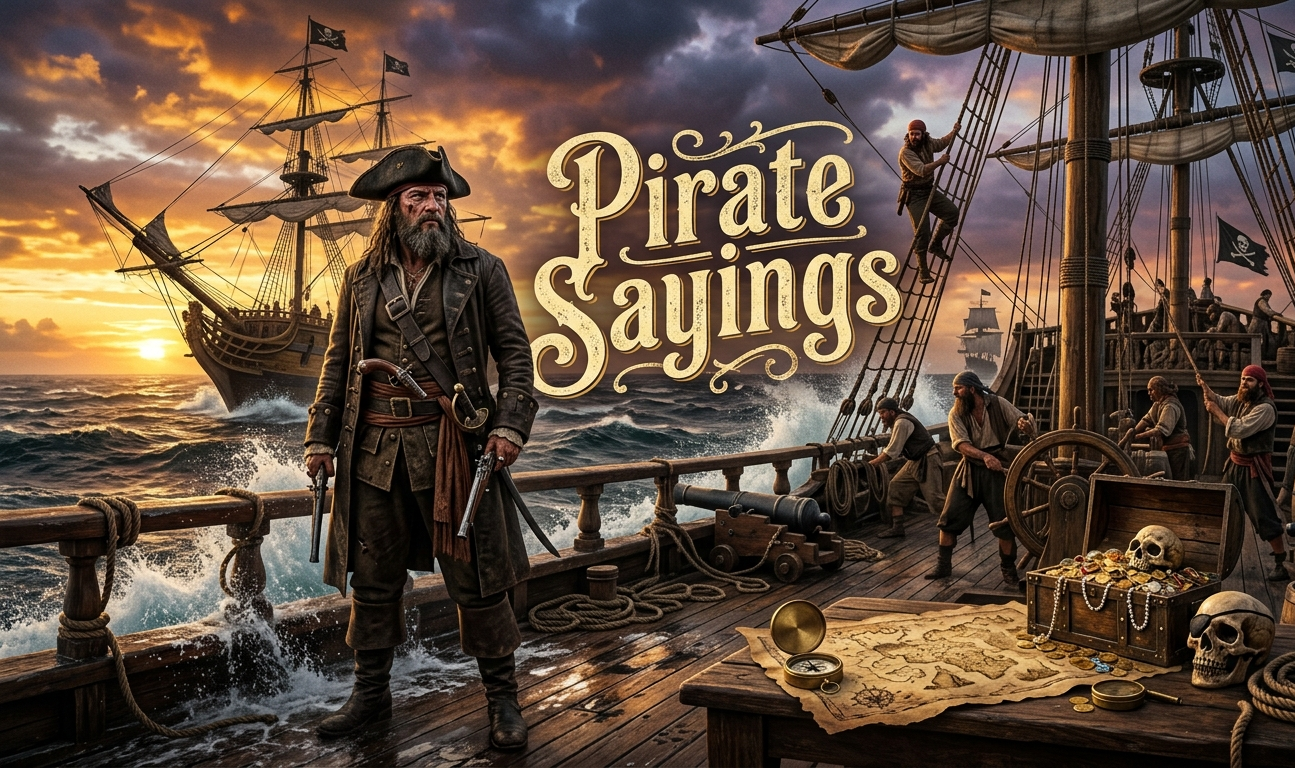
Pirate sayings have captured human imagination for centuries, blending real maritime language with storytelling, folklore, and popular culture. From dramatic expressions shouted across stormy seas to humorous phrases used in modern conversations, pirate sayings remain a fascinating part of linguistic history. These expressions reflect not only the harsh realities of life at sea but also the creativity and adaptability of sailors during the age of exploration.
This comprehensive guide explores pirate sayings in depth, covering their historical origins, meanings, evolution, and relevance today. By understanding the true roots of pirate language, you can appreciate how these colorful expressions developed and why they continue to be widely used across the world.
The Historical Origins of Pirate Sayings
Pirate sayings originated primarily from the language used by sailors during the Golden Age of Piracy, which spanned the late 17th and early 18th centuries. Pirates were not isolated individuals with their own language system; rather, they were often former sailors, privateers, or naval crew members who brought maritime terminology with them. This means that most pirate sayings are rooted in practical seafaring language.
Life at sea required clear and direct communication. Sailors developed expressions to describe weather conditions, ship operations, and daily routines. Over time, these phrases became standardized across ships and regions. Pirates adopted this language because it was already effective and widely understood.
As piracy grew, these expressions became associated with pirate culture. However, it is important to recognize that the language itself was not exclusive to pirates. Instead, it was part of a broader maritime tradition that pirates simply inherited and adapted to their own needs.
Famous Pirate Sayings and Their True Meanings
Many pirate sayings are still recognized today, although their meanings are often misunderstood. Expressions like “Ahoy” were used as a greeting or to call attention, while “Avast” was a command meaning to stop or pause. These words were essential for communication on busy ships where quick responses were necessary.
Another well-known phrase is “Shiver me timbers,” which was used to express shock or surprise. The phrase refers to the wooden beams of a ship shaking during strong waves or impact. Similarly, “Dead men tell no tales” reflects the harsh realities of piracy, emphasizing secrecy and survival.
These sayings were not just colorful language but practical tools for communication. They conveyed clear instructions or emotions in situations where clarity was crucial. Over time, their meanings expanded, and they became symbolic representations of pirate culture.
The Role of Nautical Language in Pirate Speech
Nautical language played a central role in shaping pirate sayings. Terms related to ships, navigation, and the sea formed the foundation of communication. Words like “port” and “starboard” indicated directions, while phrases like “batten down the hatches” referred to preparing a ship for rough weather.
This language was highly functional, designed to ensure efficiency and safety. Pirates relied on these terms to coordinate activities such as steering, sailing, and managing cargo. As a result, their speech was deeply connected to their environment and daily tasks.
Over time, many of these nautical expressions evolved into figurative language. For example, “learning the ropes” originally referred to understanding the rigging of a ship but now means gaining experience in any field. This evolution demonstrates how pirate sayings have influenced modern English.
How Literature Shaped Modern Pirate Sayings
Much of what people think of as pirate language today comes from literature rather than historical reality. One of the most influential works is Treasure Island, which introduced iconic phrases and helped define the stereotypical image of pirates. The book popularized expressions that were not necessarily authentic but became widely accepted.
Authors often exaggerated or invented pirate sayings to create a more dramatic and engaging narrative. These fictional elements were later adopted by other writers and storytellers, reinforcing the image of pirates as colorful and larger-than-life characters.
As a result, modern pirate sayings are a blend of real maritime language and creative storytelling. While this may blur the line between fact and fiction, it has also contributed to the enduring popularity of pirate culture.
The Influence of Movies and Pop Culture
In addition to literature, movies and television have played a significant role in shaping pirate sayings. The Pirates of the Caribbean franchise, for example, introduced a new generation to pirate language through memorable characters and dialogue. These portrayals often emphasize humor, adventure, and exaggeration.
Characters like Captain Jack Sparrow use distinctive speech patterns and phrases that have become iconic. While these expressions are entertaining, they are not always historically accurate. Instead, they reflect a modern interpretation of pirate culture designed to appeal to audiences.
Pop culture has helped keep pirate sayings alive by reintroducing them in new contexts. From films and books to social media and themed events, these expressions continue to evolve while maintaining their connection to the past.
Common Pirate Slang and Everyday Expressions
Pirate slang is filled with vivid and expressive terms that add personality to communication. Words like “Aye” for yes and “Nay” for no were commonly used by sailors and pirates alike. These simple expressions allowed for quick and clear responses in fast-paced environments.
Other slang terms were more descriptive or humorous. For example, “bilge rat” was used as an insult, referring to someone untrustworthy or unpleasant. “Scallywag” described a mischievous or dishonest person, while “bucko” was a casual term similar to “friend” or “mate.”
These expressions helped create a sense of identity among pirates and sailors. They also added color and character to their speech, making it more memorable and engaging. Many of these terms are still recognized today, even if they are no longer used in their original context.
Misconceptions About Pirate Language
One of the biggest misconceptions about pirate sayings is that pirates spoke in a unique or exaggerated accent. In reality, pirates spoke the languages and dialects of their regions, just like any other group of people. The stereotypical “Arrr” accent is largely a creation of modern media.
Another misconception is that all pirate sayings are historically accurate. In truth, many popular phrases were invented or popularized by writers and filmmakers. While these expressions are entertaining, they do not always reflect real pirate speech.
Understanding these misconceptions helps separate fact from fiction. It also allows us to appreciate pirate sayings as both historical artifacts and creative expressions shaped by storytelling.
Pirate Sayings That Became Modern Idioms
Many pirate sayings have transitioned into everyday language, becoming idioms that people use without thinking about their origins. Phrases like “show your true colors” and “batten down the hatches” are now common in business, politics, and daily conversation.
These idioms have retained their core meanings while adapting to new contexts. For example, “know the ropes” originally referred to understanding the rigging of a ship but now means being familiar with a task or process.
The widespread use of these expressions demonstrates the lasting impact of maritime language on modern communication. It also highlights how language evolves over time, preserving elements of history in everyday speech.
The Cultural Significance of Pirate Sayings
Pirate sayings hold a unique place in cultural history because they represent a blend of reality and imagination. They reflect the challenges and adventures of life at sea while also capturing the romanticized image of pirates as free-spirited and rebellious.
Events like International Talk Like a Pirate Day show how these expressions continue to be celebrated. People around the world use pirate language for fun, demonstrating its enduring appeal.
The cultural significance of pirate sayings lies in their ability to connect the past with the present. They serve as reminders of a time when exploration and risk were part of everyday life, inspiring curiosity and creativity.
How to Use Pirate Sayings in Modern Communication
Using pirate sayings in modern communication can add humor, creativity, and personality to your language. These expressions are often used in casual settings, storytelling, and themed events to create a sense of fun and adventure.
Writers and content creators frequently incorporate pirate sayings into their work to make it more engaging. These phrases can help set a tone, build character, or create a memorable impression. When used thoughtfully, they can enhance communication without overwhelming it.
However, it is important to use pirate sayings appropriately. Overusing them or using them out of context can make communication less clear. A balanced approach ensures that these expressions remain effective and enjoyable.
The Lasting Legacy of Pirate Sayings
Pirate sayings have endured for centuries because they combine practicality, creativity, and storytelling. They began as functional maritime expressions and evolved into symbols of adventure and imagination. This transformation has allowed them to remain relevant in modern culture.
Today, pirate sayings continue to influence language, entertainment, and social traditions. They appear in books, movies, games, and everyday conversations, demonstrating their versatility and appeal.
As long as people are fascinated by the sea and the idea of exploration, pirate sayings will continue to thrive. They represent not just a way of speaking, but a connection to history, culture, and the enduring human spirit of adventure.
READ MORE: NEWS BLOGS
