



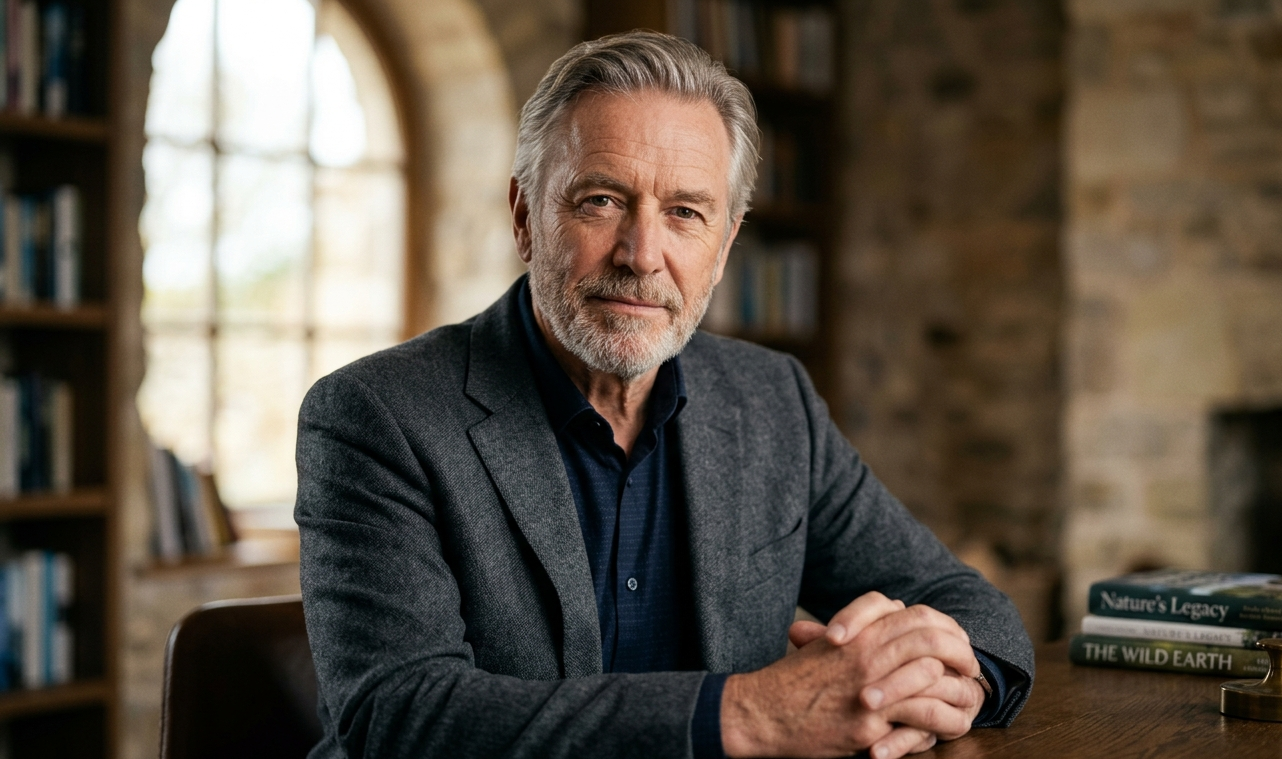
Robert Attenborough is a British-Australian academic best known for his contributions to biological anthropology, human population biology, and evolutionary research. Although his surname is widely recognized because of Sir David Attenborough, Robert Attenborough has built his own identity in the scientific world through decades of academic work focused on human evolution, culture, and health patterns in populations.
His work is mainly associated with universities and research institutes rather than public media or entertainment. Over the years, he has become a respected figure in anthropology, especially in studies that connect biology, culture, and environmental adaptation in human societies. His research is often cited in scholarly publications and academic discussions on human evolution and population health.
Early Academic Background and Career Development
Robert Attenborough began his academic journey in biological anthropology, a field that combines biology and social science to understand human evolution. He studied human populations and their biological development, focusing on how environment and culture shape human survival and reproduction patterns.
He later worked in academic roles at institutions such as the Australian National University, where he contributed to teaching and research in anthropology. His early career publications appeared in respected scientific journals, including Nature, where he explored topics related to human sociobiology and cultural evolution. These early works established his credibility in evolutionary anthropology research.
Association with the Australian National University
A significant part of Robert Attenborough’s academic career was connected to the Australian National University (ANU) in Canberra. At ANU, he worked within departments focused on prehistory and anthropology, contributing to research on human populations in Oceania and surrounding regions.
His role at ANU involved both teaching and field-based research. He collaborated with other anthropologists and researchers studying human biological diversity, particularly in regions such as Papua New Guinea. This work helped strengthen the understanding of how isolated populations adapt biologically and culturally over time.
Research Focus in Human Population Biology
Robert Attenborough’s central research interest lies in human population biology, which examines how human groups evolve under environmental, genetic, and cultural influences. His studies often explore fertility, mortality, disease patterns, and social structures in traditional and rural populations.
Much of his research emphasizes how human biology cannot be separated from cultural practices. He investigates how behavior, environment, and social organization influence health outcomes and population change. This interdisciplinary approach is a key feature of his academic contribution to anthropology.
Fieldwork in Papua New Guinea and Oceania Studies
One of the most important aspects of Robert Attenborough’s career is his field research in Papua New Guinea and other parts of Oceania. These regions are scientifically valuable because they contain diverse populations with unique cultural and biological characteristics.
His studies in these areas often focus on demographic patterns, health systems, and ecological adaptation. Research from these field projects has contributed to academic publications examining how environment and culture influence disease patterns and human well-being in small populations.
Contributions to Academic Literature and Publications
Robert Attenborough has contributed to numerous academic publications, including journal articles, book chapters, and edited volumes. His early work in Nature included discussions on human sociobiology, cultural evolution, and biological anthropology theory, which remain referenced in academic literature today.
He has also contributed to major academic books focusing on Papua New Guinea’s population biology and anthropology. His writings often serve as introductory or analytical chapters that help frame broader discussions on human evolution, cultural diversity, and population genetics.
Relationship Between Culture, Biology, and Health in His Work
A defining theme in Robert Attenborough’s research is the connection between culture, biology, and health. He argues that human populations cannot be understood through biology alone, as cultural behavior plays a major role in shaping health outcomes and survival patterns.
In his studies, he often explores how environmental conditions and cultural practices interact to influence disease spread, reproductive behavior, and overall well-being. This integrated approach is part of what makes his research valuable in both anthropology and public health discussions.
Academic Legacy and Importance in Anthropology
Robert Attenborough’s academic legacy lies in his contribution to understanding human populations through a multidisciplinary lens. His work bridges anthropology, biology, archaeology, and epidemiology, offering a more complete view of human evolution and adaptation.
Although he is not a public figure, his research continues to be relevant in academic circles studying human diversity, population change, and evolutionary theory. His contributions remain part of scholarly discussions in universities and research institutions around the world.
Conclusion: Robert Attenborough’s Scientific Identity
Robert Attenborough is best understood as a dedicated scholar of biological anthropology whose work focuses on human evolution, population biology, and cultural adaptation. While his surname connects him to a globally famous family, his professional life is firmly rooted in academic research rather than public media.
His contributions to anthropology—especially his fieldwork in Oceania and theoretical work on human populations—have helped deepen scientific understanding of how humans adapt biologically and culturally. Through decades of research and publication, he has established a respected academic identity in his own right, independent of public fame.
READ MORE: NEWS BLOGS
