



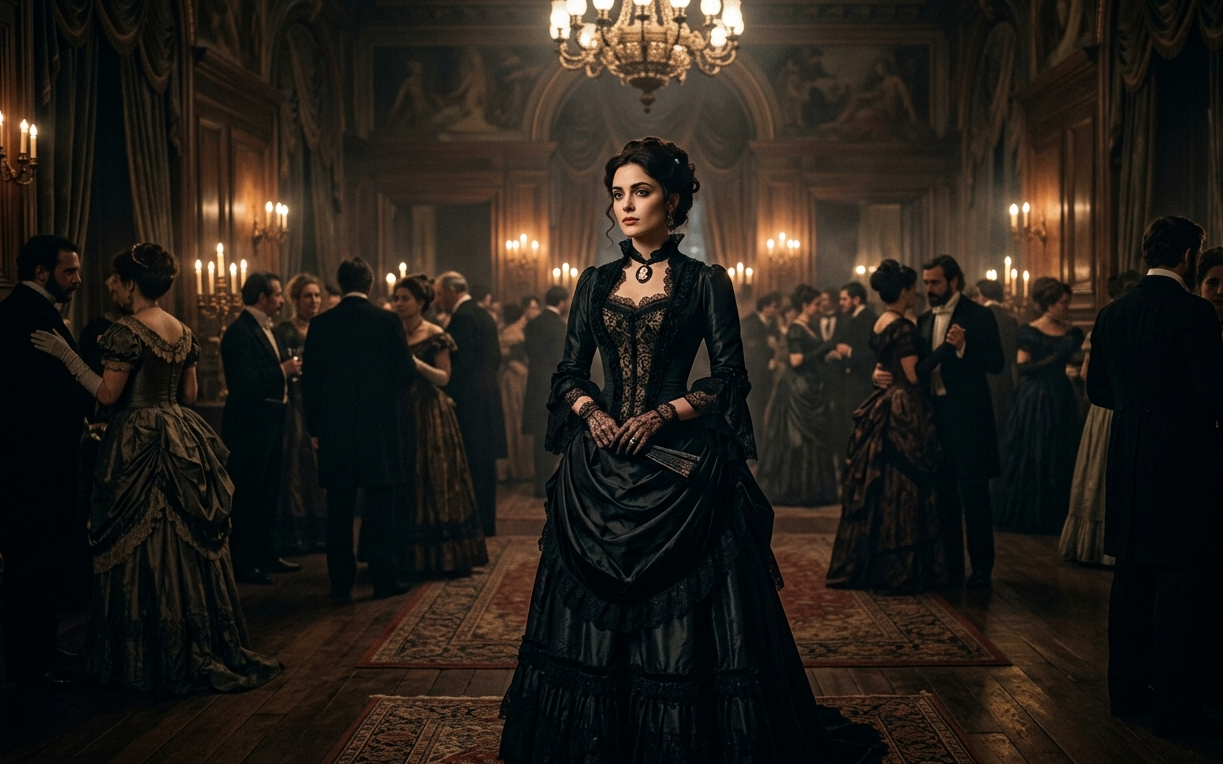
Camille Monfort is often described as one of the most mysterious figures linked to 19th-century European and Brazilian cultural history. Her story blends aristocratic elegance, artistic talent, and a layer of myth that has fascinated historians and internet audiences alike. While she is frequently portrayed as a gifted opera singer who lived in Brazil, much of her life remains surrounded by uncertainty, speculation, and legend.
In recent years, Camille Monfort has gained renewed attention through online discussions, viral posts, and curiosity-driven searches. Many people are drawn to her story because it sits at the intersection of documented history and folklore. This mix makes her a compelling subject for those interested in opera history, supernatural myths, and cultural storytelling.
Early Life and European Aristocratic Roots
Camille Monfort is believed to have been born in 1869 into a wealthy French family with aristocratic ties. Her father is often described as a diplomat, which explains the family’s connection to international locations, particularly Brazil. Growing up in a privileged environment, Camille would have had access to education, music training, and high society, all of which shaped her early development.
Her upbringing likely followed the traditions of the French elite, where cultural refinement and artistic appreciation were highly valued. This background played a crucial role in nurturing her musical talent and preparing her for a career in the performing arts. At the same time, her exposure to different cultures through her family’s diplomatic connections added depth to her personality and later public image.
Musical Education and Rise as an Opera Performer
Camille Monfort is often associated with formal musical training in France, particularly in classical opera. She is said to have studied at prestigious institutions such as the Conservatoire de Paris, where many renowned musicians developed their skills. This education would have provided her with a strong technical foundation and exposure to the rich traditions of European opera.
As an opera performer, Camille was reputed to possess a powerful and emotionally expressive voice. Her performances were described as captivating, drawing audiences into the emotional depth of her music. Opera during the 19th century was a dominant cultural force, and success in this field indicated not only talent but also social status. Her reputation as a singer helped establish her as a notable figure in elite circles.
Life in Brazil and Cultural Influence
Camille Monfort’s move to Brazil marked a significant turning point in her life. She lived in Belém, a city that was thriving during the rubber boom of the late 19th century. At that time, Belém was a hub of wealth, culture, and international exchange, attracting artists, entrepreneurs, and aristocrats from around the world.
In this vibrant environment, Camille became part of the local high society and cultural scene. Her European background and artistic talent made her a standout figure, and she reportedly performed for elite audiences. The combination of her refined upbringing and the exotic setting of the Amazon contributed to the aura of mystery that surrounded her.
The Origin of the “Amazonian Vampire” Legend
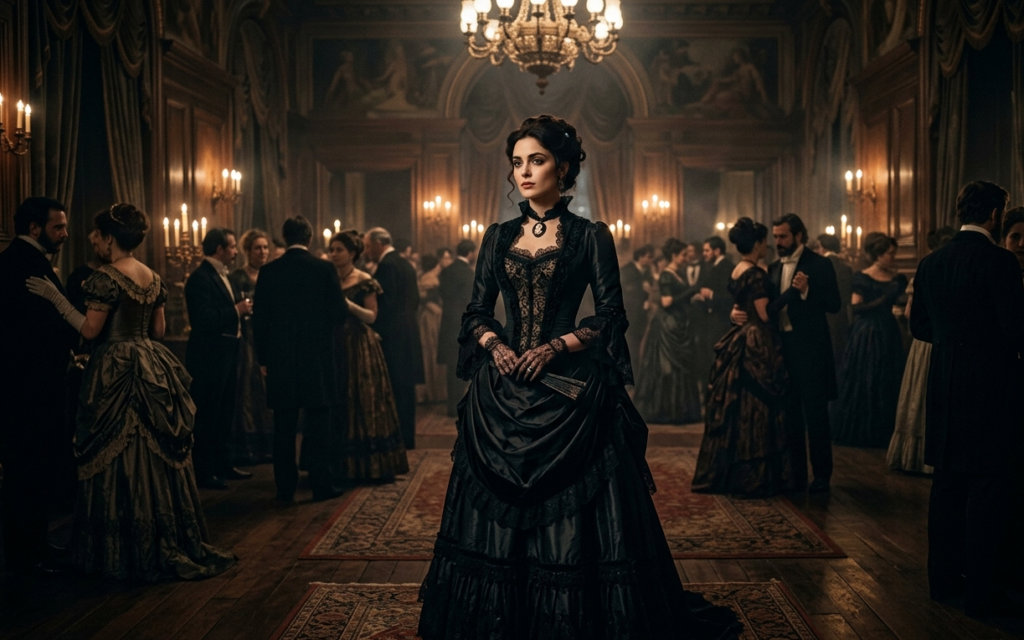
One of the most intriguing aspects of Camille Monfort’s story is her association with the nickname “Amazonian Vampire.” This title emerged from rumors and interpretations of her appearance and behavior. She was often described as having a pale complexion and an intense presence, which some people found unusual in the tropical climate of Brazil.
Stories began to circulate that her singing had a hypnotic effect on listeners, with some claiming that audience members would faint during her performances. These accounts, combined with her solitary habits and unconventional lifestyle, gave rise to supernatural interpretations. While there is no factual evidence to support these claims, they became a defining part of her legend.
Social Controversy and Independent Lifestyle
Camille Monfort’s lifestyle set her apart from many women of her time. In the 19th century, societal expectations for women were strict, especially within aristocratic circles. However, Camille reportedly lived independently, pursued her artistic career, and did not conform to traditional roles such as marriage.
Her independence attracted both admiration and criticism. Some viewed her as a progressive figure who challenged outdated norms, while others considered her behavior controversial. This dual perception contributed to her enigmatic reputation and ensured that she remained a topic of discussion within social circles.
Illness, Death, and Historical Context
Camille Monfort’s life came to an early end in 1896, reportedly during a cholera outbreak in Belém. Cholera was a common and deadly disease in the 19th century, particularly in regions with limited medical infrastructure. Her death at a young age added a tragic dimension to her story.
The historical context of her death is important in understanding how her legend developed. The lack of detailed medical records and the sudden nature of epidemics at the time left many questions unanswered. This uncertainty created space for myths and speculation to grow, further blurring the line between reality and fiction.
Fact, Myth, and Historical Debate
One of the most debated aspects of Camille Monfort’s story is whether she was a real historical figure or a modern myth. Some accounts provide detailed narratives of her life, while others question the authenticity of these claims. Researchers and historians have noted the lack of verifiable primary sources, which raises doubts about certain elements of her story.
The possibility that her story has been exaggerated or partially fabricated highlights the influence of storytelling in shaping historical narratives. In many cases, figures like Camille Monfort become symbolic representations of broader cultural themes, such as mystery, independence, and artistic passion. This ambiguity is a key reason why her story continues to attract attention.
Cultural Legacy and Modern Digital Popularity
In the digital age, Camille Monfort has experienced a resurgence in popularity. Her story is frequently shared on social media platforms, blogs, and video content, where it is often presented as a mix of history and mystery. This modern exposure has introduced her to a new generation of audiences.
Her association with themes such as opera, aristocracy, and the supernatural makes her a versatile subject for creative reinterpretation. Artists, writers, and content creators continue to explore her story, adding new layers to her legacy. This ongoing evolution ensures that she remains relevant in contemporary culture.
Why Camille Monfort Continues to Fascinate
The enduring fascination with Camille Monfort lies in the unique combination of fact and fiction that defines her story. She represents a figure who challenges clear categorization, existing somewhere between historical reality and mythological narrative. This ambiguity invites curiosity and encourages deeper exploration.
Her story also reflects broader themes that resonate with modern audiences, including independence, artistic expression, and the allure of mystery. Whether she was a real opera singer or a carefully constructed legend, Camille Monfort continues to captivate those who encounter her story. This lasting appeal ensures that her name will remain a subject of intrigue for years to come.
READ MORE: NEWS BLOGS
