



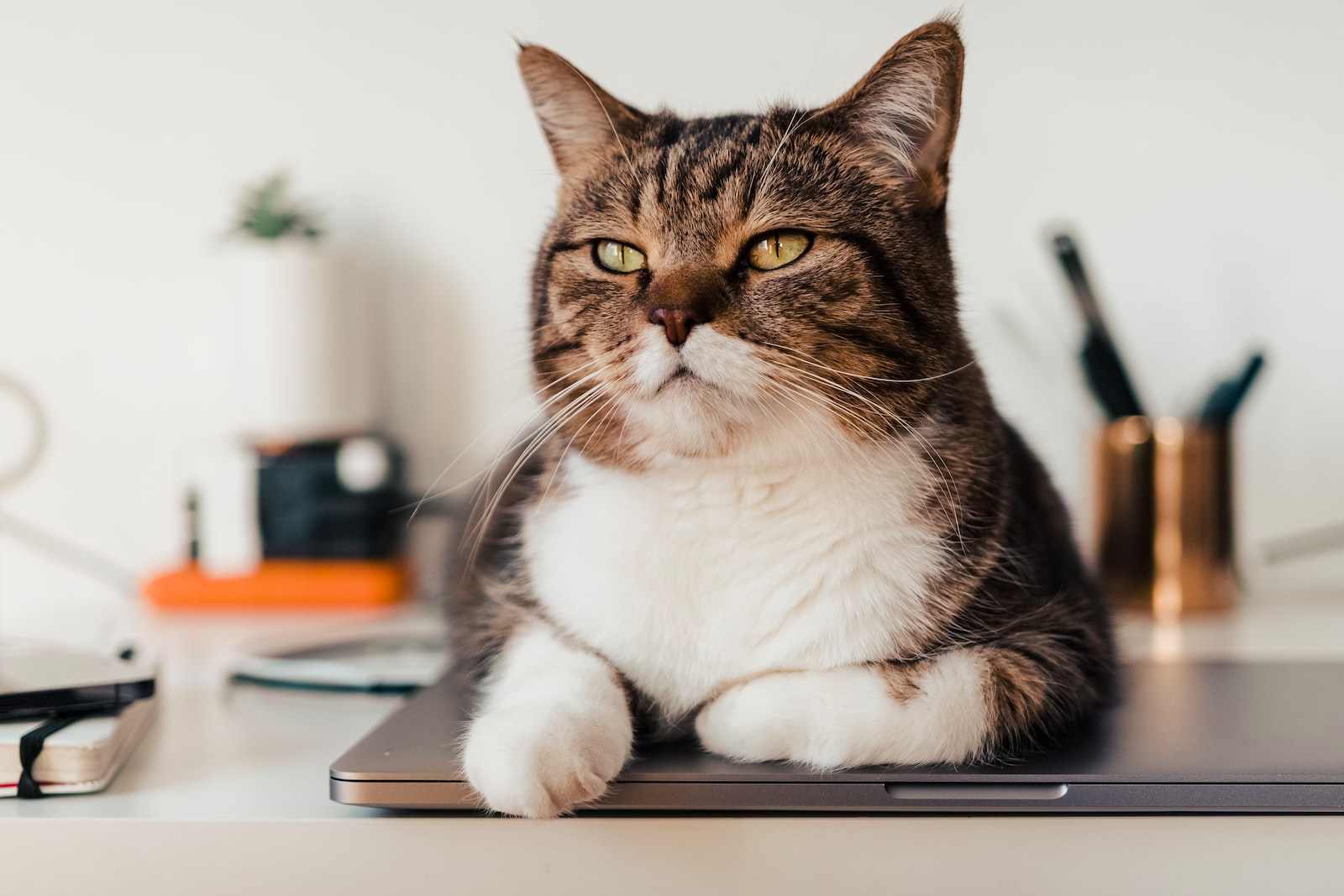
Cats communicate all the time, but their language is very different from human speech. A meow, purr, hiss, chirp, or trill can carry useful information about a cat’s mood, needs, or situation. This has created growing interest in the idea of a cat translator, especially through mobile apps that use artificial intelligence to analyze feline sounds. Some apps claim to turn a cat’s meow into simple human phrases, while others focus on recognizing general emotional states.
The idea is fascinating, but a cat translator should be understood as an interpretation tool rather than a literal language translator. Current technology can identify patterns in cat vocalizations, but it cannot reliably translate every meow into a complete human sentence. Cat communication is much more complex than matching one sound because the meaning of a sound can change depending on the situation, the cat, and its body language.
What Is a Cat Translator?
A cat translator is generally an app, software tool, or experimental technology designed to interpret cat vocalizations. Most cat translator apps work by recording a meow through a smartphone microphone and analyzing characteristics of the sound. Depending on the application, the result may be presented as an emotional state, general intention, or playful human-language phrase.
Modern AI-based tools can be more sophisticated than simple soundboards. Some systems analyze different types of cat vocalizations and place them into broad categories such as seeking attention, wanting food, feeling comfortable, feeling stressed, or warning someone. These categories are better understood as estimates or interpretations rather than exact translations of a cat’s thoughts.
How Does a Cat Meow Translator Work?
A cat meow translator typically begins by converting a recorded vocalization into information that software can analyze. Machine-learning systems can look for patterns involving pitch, length, frequency, tone, and other characteristics. These patterns can then be compared with examples used to train the system. The result is usually an estimated category rather than a literal translation.
This approach is important because cats do not appear to use meows like humans use a fixed vocabulary. Individual cats can also develop distinctive sounds and communication habits. One cat might have a particular meow for food, while another may use a different sound when it wants attention. Some cat translator apps attempt to recognize these individual patterns and become more personalized as they collect additional examples.
Can a Cat Translator Really Understand Cats?
The short answer is that cat translators can provide interesting interpretations, but they cannot currently be treated as reliable human-to-cat or cat-to-human language translators. There is no established technology that can listen to any cat meow and accurately convert it into a precise sentence such as “I am hungry” or “I want to go outside.”
Understanding a cat requires more than listening to a single sound. The same vocalization can have different meanings depending on what is happening around the animal. A cat meowing near its food bowl may be communicating differently from a cat making a similar sound while hiding under furniture. This is why context is one of the most important parts of understanding feline communication.
Why Cat Sounds Have Different Meanings
A cat’s communication includes much more than the familiar meow. Purring, trilling, chirping, growling, hissing, and yowling can all occur in different circumstances. A short meow may function as a greeting or request, while a hiss or growl can communicate fear, discomfort, or a warning. Purring is also more complicated than simply meaning that a cat is happy because cats can purr in different situations.
Individual cats also behave differently. A cat may develop a particular sound that it repeatedly uses around feeding time, while another may become vocal when it wants attention or access to a certain room. Cats can learn that particular sounds get specific responses from humans, which means their vocal communication can become highly individual over time.
Cat Body Language Is Part of the Translation
The most useful cat translator may not be an app at all. To understand what a cat is communicating, owners should combine vocal sounds with body language. A cat’s ears, eyes, whiskers, tail, posture, and movements can provide important information that an audio-only translator cannot detect.
Context is especially important when interpreting cat behavior. A cat making a loud sound while approaching its food bowl is in a very different situation from a cat making the same sound while hiding, appearing tense, or avoiding contact. Instead of accepting a translator result as fact, owners can use it as one small clue and then observe what the cat is doing before and after the vocalization.
What Can AI Cat Translators Be Useful For?
An AI cat translator can be entertaining and potentially useful for identifying broad patterns in a cat’s vocal behavior. If an app repeatedly connects a particular sound with an attention-seeking situation, for example, an owner may become more aware of that recurring behavior. Recording sounds and noting what was happening at the time can also help owners understand their individual cat’s communication style.
The technology is most useful when it is treated as a pattern-recognition tool rather than a perfect language decoder. A translator might suggest that a particular sound is connected with hunger, attention, discomfort, or another general state. However, the owner should still consider the cat’s environment, behavior, body language, and normal routine before deciding what the sound means.
How to Get Better Results From a Cat Translator
If you decide to try a cat translator app, record your cat in normal and familiar situations rather than deliberately creating stressful situations to produce certain sounds. Natural recordings around feeding, playing, greeting, resting, and everyday interaction can provide more meaningful information. It is also helpful to notice what happens immediately before and after a vocalization.
Do not rely on a translation result to make decisions about your cat’s health. A phone app cannot replace professional veterinary care. If a cat suddenly becomes much more vocal, starts hiding, stops eating, appears distressed, or develops another unusual behavior, the change deserves attention regardless of what a translator app says. A translator can be an interesting tool, but it should never be used as a medical diagnostic system.
The Future of Cat Translation Technology
The future of cat translator technology may involve much more than analyzing individual meows. Advances in artificial intelligence could allow future systems to combine audio with video, body posture, facial movements, activity patterns, and information about the surrounding environment. A system that considers several communication signals at the same time could potentially provide more useful interpretations than one that listens only to sound.
Even with better technology, the goal may be closer to understanding patterns and emotional states than creating a perfect feline dictionary. Cats communicate through a combination of sounds, movements, facial expressions, and behaviors, and these signals can vary between individual animals. Better AI could help people recognize these patterns, but human observation will likely remain an important part of understanding a cat.
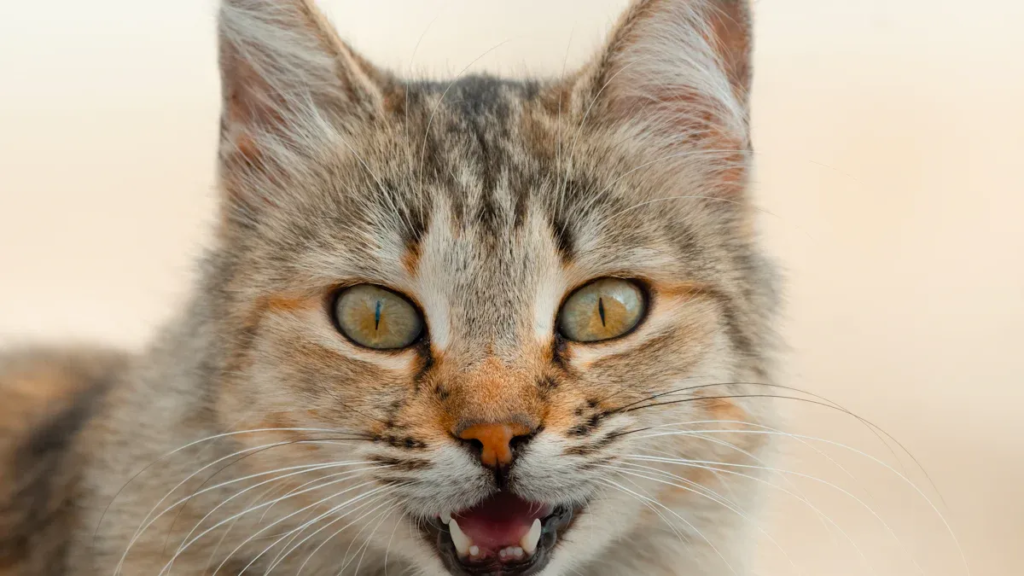
Cat Translator: A Helpful Tool, Not a Magic Decoder
A cat translator can be a fun way to explore feline communication and may help owners notice patterns they previously overlooked. AI-powered apps can analyze vocalizations and classify them into broad categories, making them more interesting than simple soundboards. However, current technology should not be treated as a perfect system capable of converting every meow into an exact human sentence.
The best way to understand your cat is to combine technology with careful observation. Listen to the sound, watch the ears and tail, notice the cat’s posture, consider what is happening around it, and learn the individual habits that develop through everyday interaction. A cat translator can provide an additional clue, but genuine understanding comes from looking at the complete communication picture. For cat owners, combining AI technology with practical observation is the most sensible way to discover what their feline companion may be trying to communicate.
