




Miriam Cates is a British politician best known for representing Penistone and Stocksbridge in the UK Parliament from 2019 to 2024. A member of the Conservative Party, she became a prominent figure in debates about family policy, education, social values, and the direction of modern British society. Her speeches and public statements attracted attention because she often addressed subjects that extend beyond traditional economic and parliamentary issues, including marriage, parenting, gender, and the role of government in family life.
Before entering Parliament, miriam cates worked in education and business. Her professional background helped shape her public identity as a politician interested in children, families, and the experiences of parents. After winning her parliamentary seat in the 2019 general election, she became associated with socially conservative views and took part in discussions about the future of the Conservative Party. Her political career also developed during a period of considerable change in British politics, including Brexit, the COVID-19 pandemic, and debates about the cost of living.
Interest in Miriam Cates continues because her political positions raise wider questions about family policy, cultural change, education, and the relationship between personal beliefs and public decision-making. Understanding her biography requires looking at her early life, career before politics, election to Parliament, major policy interests, and position after the 2024 general election. It is also important to distinguish her documented political record from opinions and interpretations offered by supporters or critics.
Who Is Miriam Cates?
Miriam Cates is a British Conservative politician who served as the Member of Parliament for Penistone and Stocksbridge in South Yorkshire from December 2019 until Parliament was dissolved ahead of the July 2024 general election. She entered national politics at a time when the Conservative Party had won a substantial parliamentary majority under Boris Johnson. Her election was part of a wider political shift that brought several new Conservative MPs into Parliament, including representatives from constituencies that had traditionally supported Labour.
Cates became known for her socially conservative outlook and her interest in policies relating to families, children, education, and national identity. Rather than concentrating only on taxation, public spending, or local infrastructure, she frequently addressed questions about social values and the pressures affecting family life. These subjects helped distinguish her public profile within the Conservative Party and made her a recognizable participant in debates about the country’s cultural direction.
Her political reputation has attracted both support and criticism. Supporters often view her as a politician willing to discuss issues they believe receive too little attention in mainstream politics. Critics have challenged some of her positions, particularly where they concern sexuality, gender, and social policy. Her career illustrates how politicians can become influential in public debate even when their main areas of interest are not limited to conventional economic questions.
Miriam Cates’s Early Life and Education
Miriam Cates grew up in the United Kingdom and developed an interest in education and the wellbeing of children before entering parliamentary politics. Public biographical information about her early years is less extensive than information about her political career, so specific claims about her childhood, family circumstances, or private experiences should be approached carefully. Her later work, however, provides a clearer picture of the professional interests that influenced her public life.
Cates studied biology at university, a background that has been mentioned in accounts of her education and professional development. Her scientific studies preceded a career that included teaching and business. Although a degree in biology does not automatically determine a person’s political views, it gave her an academic foundation outside the traditional routes into Westminster, such as law, political science, or professional political advising.
Her educational background is relevant because her political interests have frequently included the experiences of children and young people. Discussions about schooling, parental responsibility, relationships education, and child development have featured in her public work. Nevertheless, it is important not to assume that every position she has taken follows directly from her academic training. Her political arguments also reflect her personal convictions, party affiliation, and interpretation of social change.
Miriam Cates’s Career Before Politics
Before becoming an MP, Miriam Cates worked in education and business. Her professional experience included teaching, and she was also involved in developing an educational business with her husband. These experiences provided a connection to the practical concerns of families, schools, and working parents. They also gave her experience outside Parliament before she began representing a constituency in the House of Commons.
Working in education can expose professionals to questions about children’s learning, school environments, parental involvement, and the responsibilities of institutions. Cates later brought many of these subjects into political discussion. Her public arguments often emphasized the importance of families and the role that parents play in shaping children’s lives. While her earlier work helps explain the themes she has pursued, it does not mean that all educators share her conclusions or political outlook.
Her experience in business also placed her in contact with the challenges faced by people managing professional responsibilities alongside family life. These experiences became part of the public narrative surrounding her political career, particularly when she spoke about the pressures affecting parents and households. After entering Parliament, she used her position to argue for changes in areas she believed were important to children’s development and the stability of family life.
Miriam Cates and the 2019 General Election
Miriam Cates was elected as the Conservative MP for Penistone and Stocksbridge in the December 2019 general election. The constituency is in South Yorkshire, an area where political loyalties had traditionally included strong support for Labour. The election took place during a national debate dominated by Brexit, economic uncertainty, public services, and the future relationship between the United Kingdom and the European Union.
The Conservative Party’s victory in 2019 gave Cates the opportunity to represent a constituency that had become part of a broader political realignment. Her election was significant because it reflected changes in voting patterns across parts of northern England. Constituencies that had previously been considered dependable Labour territory saw more voters support the Conservatives, influenced by issues that included Brexit, local identity, and dissatisfaction with established political positions.
As a new MP, Cates had to balance national political debates with the responsibilities of constituency representation. Members of Parliament are expected to raise local concerns, assist constituents with problems involving public bodies, and participate in legislation and parliamentary scrutiny. Her public profile increasingly focused on social and family policy, but her role also involved the wider responsibilities of representing residents in Westminster. She remained the constituency’s MP until the 2024 general election, when she did not retain her seat.
Miriam Cates’s Political Views and Social Conservatism
Miriam Cates became particularly associated with social conservatism within the Conservative Party. Her political arguments have often focused on the importance of marriage, stable family relationships, parental responsibility, and the influence of social institutions on children. She has argued that government policy should take family life seriously and recognize the pressures that parents face. These views reflect a broader strand of conservative thinking that places importance on established social structures and the role of families in supporting communities.
Her approach has also included criticism of aspects of contemporary cultural change. Cates has questioned whether some modern social policies adequately consider children’s wellbeing and the concerns of parents. These arguments have brought her into discussions about education, gender, sexuality, and the way public institutions address sensitive social questions. Supporters have welcomed her willingness to challenge prevailing assumptions, while opponents have argued that some of her positions risk excluding or stigmatizing people whose lives differ from her preferred model of family and society.
Understanding her political views requires recognizing the difference between her stated beliefs and the wider debate surrounding them. Politicians often interpret social issues through different moral, religious, and political frameworks, and Cates’s approach has been debated within and beyond her party. Her public profile demonstrates how questions about family life and personal identity can become central to national politics, particularly when they intersect with education, children’s rights, and the responsibilities of the state.
Miriam Cates on Family Policy and Education
Family policy has been one of the most consistent themes in Miriam Cates’s political work. She has emphasized the role of parents in children’s development and argued that public policy should better reflect the importance of family relationships. In political discussions, this has included concerns about the pressures facing households, the time parents can spend with their children, and the broader social conditions that affect childhood. Her approach places family life at the center of debates about social wellbeing rather than treating it as a purely private matter.
Education has also featured prominently in her public arguments. Cates has raised questions about what children are taught in schools, how parents are informed about educational content, and how schools should approach relationships and other sensitive subjects. These issues have generated debate because schools must balance parental involvement, professional educational standards, safeguarding responsibilities, and the needs of pupils from different backgrounds. Cates has generally argued for a stronger role for parental concerns, while critics have questioned some of the assumptions behind her proposed approach.
The debate surrounding her views reflects a wider question about the purpose of education. Schools are responsible for academic learning, but they also help children develop social understanding, personal confidence, and the ability to interact respectfully with others. Parents, teachers, and policymakers may disagree about where boundaries should be drawn and how difficult subjects should be taught. Cates’s contributions have made her part of these discussions, although her positions should be understood as political arguments rather than as a universal consensus among education professionals.
Miriam Cates’s Role in the Conservative Party
Within the Conservative Party, Miriam Cates became associated with its socially conservative wing. The party includes politicians with a wide range of views on economic policy, public services, social issues, and the role of government. Cates’s public statements placed her among those who wanted the party to give greater attention to family structures, and the social consequences of government decisions. Her views also contributed to internal conversations about the values the Conservatives should emphasize when seeking public support.
Her parliamentary career unfolded during a period of considerable political instability. The Conservative Party experienced leadership changes, disagreements over policy, and challenges involving public confidence. In this environment, MPs with distinct positions on social issues could influence debates about the party’s identity, even when they did not hold senior government office. Cates attracted attention partly because she spoke directly about subjects that were often contested both inside Parliament and in the wider public sphere.
Political influence, however, does not always translate into senior ministerial responsibility or lasting policy change. MPs can shape public discussion through speeches, committee work, campaigns, and their involvement in party groups, but proposed changes still depend on parliamentary support and government priorities. Cates’s importance within Conservative debates therefore lies partly in the issues she brought forward and the arguments she made, rather than solely in formal positions of authority.
What Happened to Miriam Cates After the 2024 General Election?
Miriam Cates lost her Penistone and Stocksbridge seat in the July 2024 general election, ending her period as a Member of Parliament. The election brought a major change in the political landscape of the United Kingdom, with Labour winning a large parliamentary majority and the Conservatives losing many seats. Cates’s departure from the House of Commons formed part of this wider national shift rather than an isolated event in her political career.
Losing a parliamentary seat changes a politician’s formal role. A former MP no longer represents a constituency in the House of Commons, votes on legislation as a member, or carries out the parliamentary duties attached to that position. However, leaving Parliament does not necessarily mean that a person stops participating in political debate. Former MPs may continue to write, speak publicly, work with political organizations, or take part in discussions about their areas of interest. Any claims about Cates’s current activities should be based on reliable, up-to-date information rather than assumptions about what former MPs typically do.
Her post-parliamentary position has remained a point of interest for people following British conservative politics. Readers may want to know whether she intends to return to elected office, continue campaigning on social issues, or pursue other professional work. Unless a particular development has been publicly confirmed, however, it is better not to present possible future plans as established facts. Her confirmed parliamentary service ran from 2019 until the 2024 general election, while her future political role depends on subsequent decisions and developments.
Miriam Cates’s Personal Life and Public Image
Miriam Cates is married to David Cates, and the couple have children. Her experience of family life has been relevant to her public political identity because she frequently discusses parenting, education, and the pressures faced by households. Her professional background and family responsibilities have formed part of the context in which she explains her interest in family policy. Nevertheless, her private life should not be treated as complete evidence for or against her political arguments.
As with many public figures, the distinction between personal experience and public policy is important. A politician may draw on personal observations when discussing an issue, but national policies affect people with different incomes, family arrangements, cultural backgrounds, and personal circumstances. Cates’s views on family life are part of a broader political philosophy that voters can evaluate by considering her arguments, proposals, and public record.
Her public image is shaped by both supporters and critics. Some people see her as a politician who speaks openly about the value of family relationships and the concerns of parents. Others disagree with her positions on social and cultural matters and believe that her approach gives insufficient weight to the experiences of people with different identities or family circumstances. These contrasting reactions help explain why SHEcontinues to appear in political discussions even after her departure from Parliament.
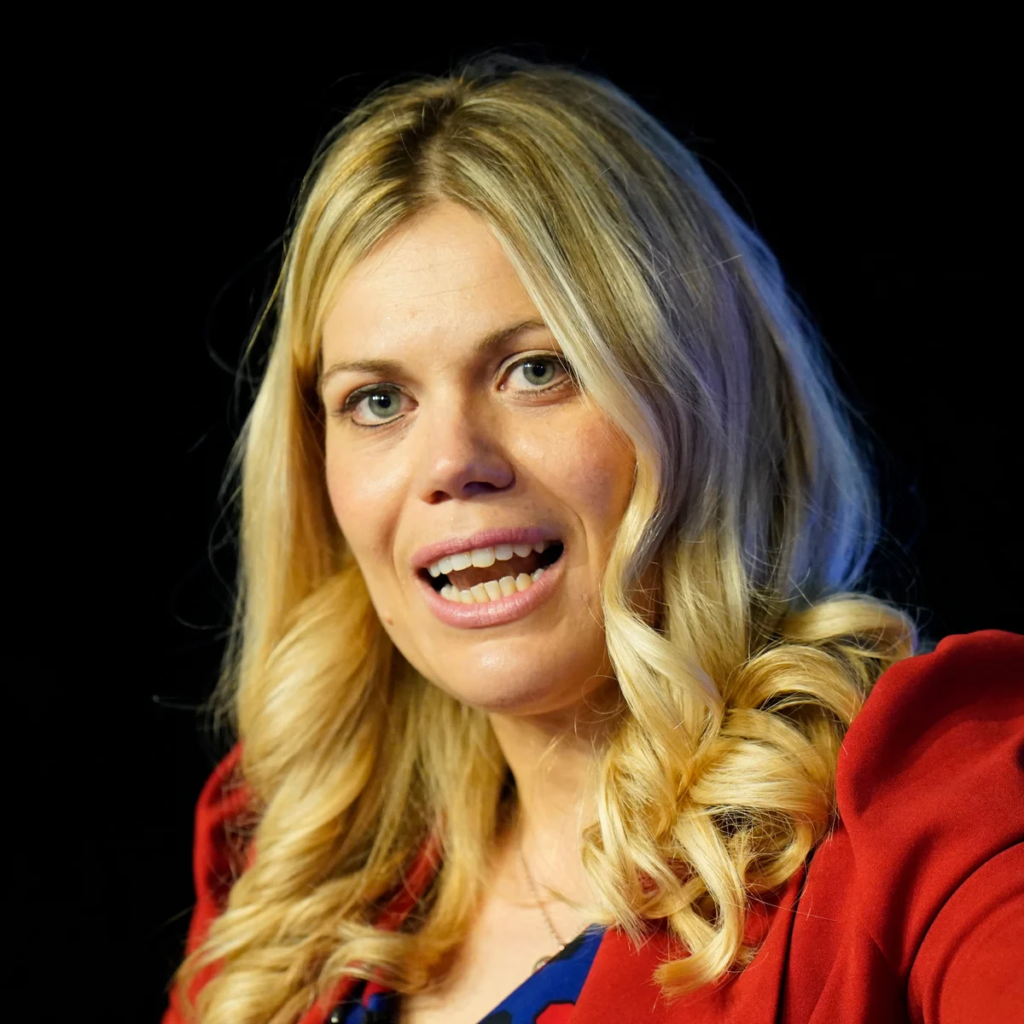
Conclusion: Miriam Cates’s Political Legacy
Miriam Cates is a British Conservative politician whose public career centered on family policy, education, social conservatism, and debates about cultural change. Elected as the MP for Penistone and Stocksbridge in 2019, she became known for raising questions about parenting, children’s wellbeing, and the role of traditional social institutions. Her work before Parliament in education and business helped shape the professional background she brought to politics.
Her political positions attracted both support and criticism, particularly when she addressed contested issues involving education, gender, sexuality, and family life. These debates demonstrate the challenges politicians face when they attempt to translate personal convictions into public policy in a diverse society. Her career also unfolded during a period of major political change, culminating in the Conservative Party’s defeat in the 2024 general election and her loss of parliamentary office.
Although Miriam Cates is no longer an MP for Penistone and Stocksbridge, her political profile remains connected to wider conversations about the Conservative Party’s identity and the place of family and social values in British public life. A balanced understanding of her biography includes her early career, election to Parliament, policy interests, and departure from the Commons, while recognizing that opinions about her legacy differ.
