



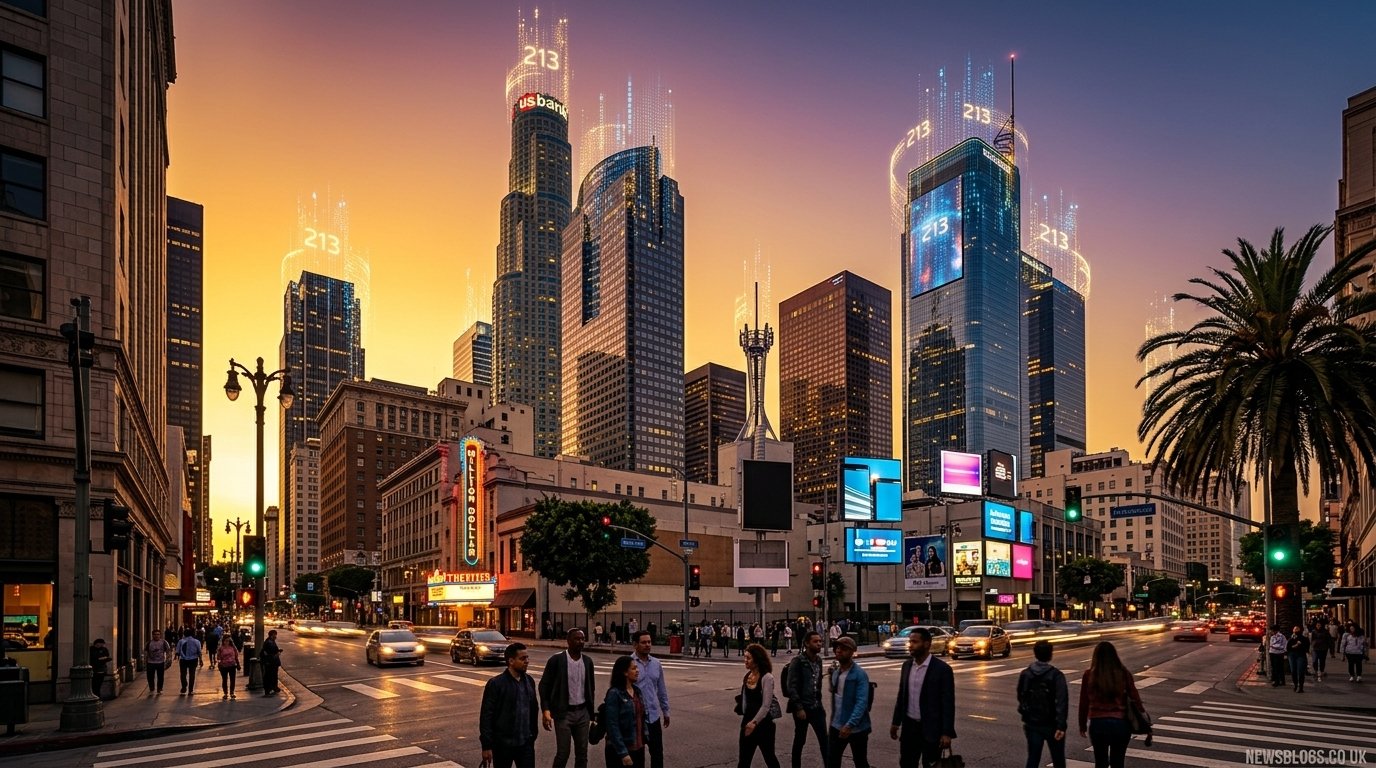
Introduction to the 213 Area Code and Its Importance
The 213 area code is one of the most iconic and historically significant telephone area codes in the United States, deeply connected with the identity of Los Angeles, California. Established in 1947 as part of the original North American Numbering Plan, it once covered a massive portion of Southern California before gradually shrinking due to population growth and continuous demand for new phone numbers. Today, it represents the heart of central Los Angeles, including its downtown core and surrounding urban neighborhoods.
Over the decades, the 213 area code has become more than just a dialing prefix. It is now a cultural symbol of Los Angeles’ history, business power, and urban identity. Despite multiple splits and overlays, it remains one of the most recognized area codes in the country, often associated with prestige, legacy, and the original identity of the city.
Historical Background of the 213 Area Code
The history of the 213 area code dates back to 1947 when it was one of the first area codes assigned in California under the North American Numbering Plan. At that time, it covered a vast region that included most of Southern California, stretching from Los Angeles down to the Mexican border and across major inland regions. This made it one of the largest original numbering areas in the state.
As California’s population expanded rapidly in the mid-20th century, especially in Los Angeles, the demand for telephone numbers increased dramatically. This led to a series of splits beginning in the 1950s and continuing through the 1990s. The 213 area code gradually lost territory to new codes such as 714, 805, 818, 310, and finally 323. Each split reflected the explosive urban and economic growth of Southern California, which required more telephone numbering capacity to support residential, commercial, and mobile communication needs.
By 1998, the 213 area code had been reduced to a very small geographic footprint, mainly covering downtown Los Angeles and adjacent neighborhoods. This transformation marked a major shift from a statewide code to a highly localized urban identifier.
Geographic Coverage of the 213 Area Code Today
In its modern form, the 213 area code primarily serves central Los Angeles, especially the downtown district and nearby communities. This area is known for its dense population, financial institutions, entertainment hubs, and government buildings, making it one of the most important urban centers in California.
The coverage includes neighborhoods such as Downtown Los Angeles, Koreatown, Chinatown, Westlake, and parts of surrounding districts that are closely tied to the city’s core. According to telecommunications data, the area code is concentrated in one of the most economically active zones in the state, where businesses, startups, and cultural institutions operate at a high density.
Because of this concentrated geography, the 213 area code is often seen as a “core LA” identifier, representing the central heartbeat of the city rather than its suburban outskirts.
Overlay System and Modern Numbering Changes
In modern telecommunications, the 213 area code does not function alone. It is part of an overlay complex that includes area codes 323 and the newer 738 code. This system was created to manage the continuous demand for new phone numbers in Los Angeles without requiring people to change their existing numbers.
The overlay system means that multiple area codes serve the same geographic region. This allows new numbers to be assigned under different codes while still belonging to the same central Los Angeles area. As a result, two neighbors in the same building may have different area codes even though they live in the same location.
This system also introduced mandatory 10-digit dialing for all local calls, meaning callers must include the area code even when calling nearby numbers. The 738 area code, introduced in 2024, was added as an additional layer to support number exhaustion and ensure long-term availability of phone numbers in the region.
Cultural Identity and Reputation of the 213 Area Code
The 213 area code carries a strong cultural identity that extends far beyond telecommunications. It is widely associated with the historic and cultural core of Los Angeles, often referenced in music, entertainment, and street culture. Many artists and businesses use 213 numbers to emphasize authenticity and a deep connection to the city’s original urban landscape.
Over time, the 213 code has become a symbol of prestige and legacy. Having a 213 number is often seen as more than a practical detail; it reflects a connection to downtown Los Angeles and its long-standing role as the center of commerce, entertainment, and cultural development. This symbolic value has helped maintain its popularity even after multiple geographic reductions.
The cultural importance of 213 is also reinforced by its presence in hip-hop culture, sports references, and branding strategies used by local businesses. It remains one of the most recognizable identifiers of Los Angeles identity worldwide.
Economic and Business Significance of 213
The 213 area code is strongly linked with the economic core of Los Angeles. Downtown LA, which it primarily covers, is home to major financial institutions, corporate headquarters, law firms, and entertainment companies. This makes the area code highly relevant for business credibility and local branding.
Many companies prefer 213 numbers because they signal a physical presence in the central business district of Los Angeles. In a city where location plays a major role in business perception, having a 213 number can enhance trust and local recognition. This is especially important for startups, real estate firms, media companies, and service-based businesses targeting LA clients.
Additionally, the area code’s association with high-density commercial activity makes it an important part of digital marketing and local SEO strategies. Businesses often highlight their 213 presence to attract customers who associate the code with established, urban credibility.
Time Zone, Communication, and Practical Use
The 213 area code operates within the Pacific Time Zone, which includes both Pacific Standard Time (PST) and Pacific Daylight Time (PDT) depending on the season. This aligns it with all of Los Angeles and much of the West Coast, making it important for national and international communication.
For businesses and individuals outside the United States, understanding the time zone of the 213 area code is essential for scheduling calls, meetings, and customer support interactions. The time difference between Los Angeles and other global regions can significantly impact communication efficiency, especially for international companies working with LA-based clients or partners.
Because of its central location in a major global city, the 213 area code is frequently involved in cross-border business communication, entertainment coordination, and media production scheduling.
Scam Awareness and Phone Safety in the 213 Area Code
Like many major urban area codes, the 213 area code is sometimes used in phone scams through caller ID spoofing. This means scammers may display a 213 number even if the call originates from outside Los Angeles. This technique is used to increase trust and improve the chances of the call being answered.
However, it is important to understand that the presence of scam calls does not reflect the legitimacy of the area code itself. Millions of legitimate residents, businesses, and government offices use 213 numbers daily. The issue lies in the misuse of phone technology rather than the geographic region.
Users are encouraged to remain cautious when receiving unknown calls, especially if they request personal or financial information. Awareness and basic verification practices help reduce risks associated with phone-based fraud.
Future of the 213 Area Code and Conclusion
The future of the 213 area code is closely tied to the continued growth of Los Angeles and its surrounding metropolitan region. With ongoing population increases and expanding demand for mobile devices, overlays like 323 and 738 will continue to support the region’s communication infrastructure.
Despite these changes, the 213 area code will remain a powerful symbol of Los Angeles’ historic and cultural identity. Its legacy as one of the original area codes, combined with its strong association with downtown LA, ensures its continued relevance in both telecommunications and cultural contexts.
In conclusion, the 213 area code is far more than just a telephone prefix. It represents the evolution of Los Angeles from a large regional city into a global urban powerhouse. Its history, geography, cultural significance, and modern overlay system all contribute to its status as one of the most important area codes in the United States.
READ MORE: NEWSBLOGS
